







- Site Navigation -
Tuk-tuk
A tuk-tuk(also spelled tuk tuk)is a motorized three-wheeled vehicle,a type of auto rickshaw,widely used as public transport,taxi,and private vehicle across many regions,most iconica......
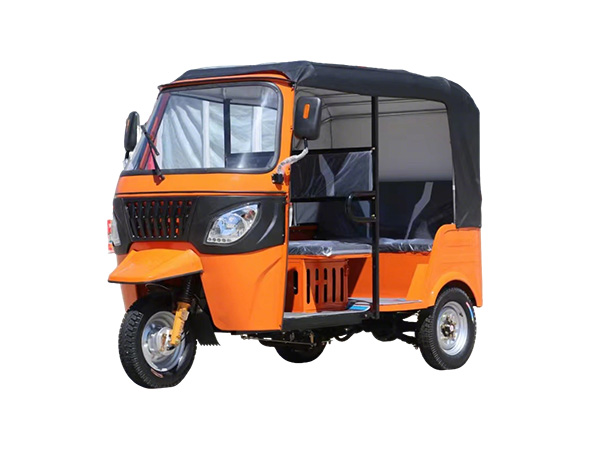
A tuk-tuk(also spelled tuk tuk)is a motorized three-wheeled vehicle,a type of auto rickshaw,widely used as public transport,taxi,and private vehicle across many regions,most iconically in Southeast Asia.
The name tuk-tuk is onomatopoeic,derived from the Thai termตุ๊กๆ(dtúk-dtúk),mimicking the distinctive putt-putt sound of its early two-stroke engines.It is known by various local names globally:auto-rickshaw(India,Sri Lanka),bajaj(Indonesia),mototaxi(Latin America),and trishaw(some regions).
Basic Characteristics
Structure:Three wheels(one front,two rear),open or semi-enclosed design,handlebar controls(like a motorcycle)for the driver.
Capacity:Typically seats 2–3 passengers in the rear cabin;some models carry small cargo.
Powertrain:Traditional models use petrol/gasoline;modern versions run on CNG,LPG,or electricity(electric tuk-tuks are growing rapidly for eco-friendliness and lower cost).
Advantages:Small,agile(navigates narrow streets&heavy traffic),low cost to buy/operate,affordable for passengers.
History&Origin
Early precursors emerged in 1930s Japan(three-wheeled delivery vehicles).
Gained massive popularity in Thailand from the 1960s onward,becoming a national cultural icon.
Spread across South Asia,Southeast Asia,Africa,the Middle East,and parts of Latin America as a low-cost urban transport solution.
Global Variations
Thailand:Colorful,compact,open-sided,tourist-favorite iconic design.
India:Larger,more enclosed,often elaborately decorated,mass urban transit.
Indonesia:Called bajaj,boxy,often used in Jakarta.
Latin America:Larger,covered cabins,used as share taxis.
Modern Eco-Versions:Electric tuk-tuks(e.g.,India,Thailand)with batteries,zero emissions,quieter operation.
Role&Cultural Significance
Daily Transport:Primary cheap urban transit for locals.
Tourism:A must-try iconic experience in Thailand,Cambodia,Vietnam,etc..
Cultural Symbol:Embodies local street life,vibrancy,and practicality—a hallmark of Asian urban landscapes.

Contact Us
Tel:8615713172715 / 8619061777149
WeChat:8615713172715 / 8619061777149
E-mail:942778859@qq.com
Url:https://www.duomitricycle.com