







- Site Navigation -
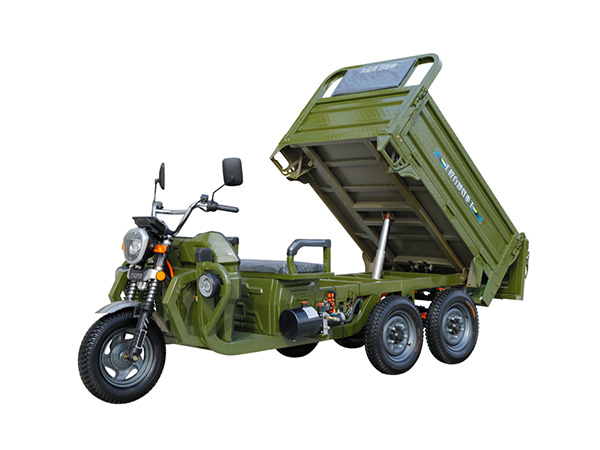
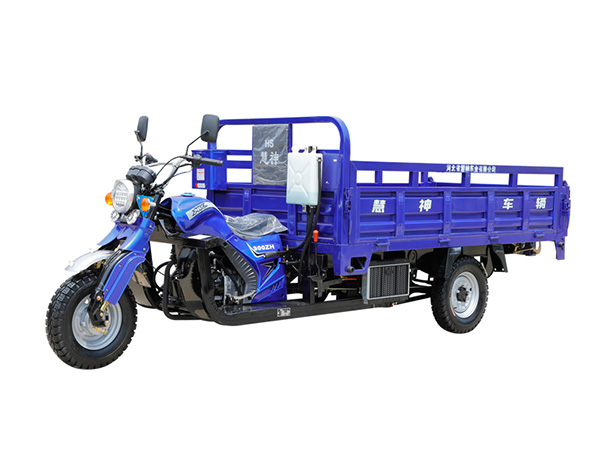
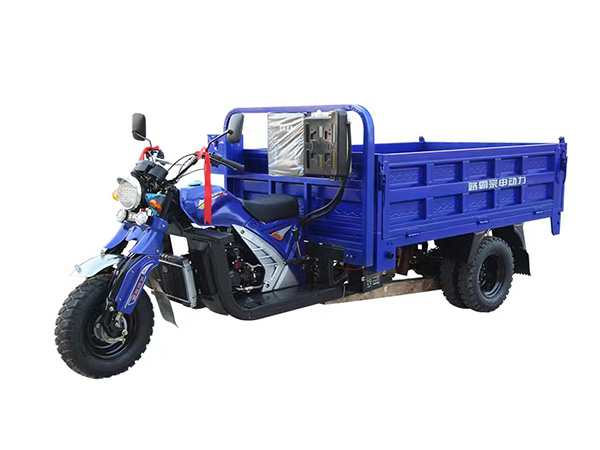
Understanding Engines in Fuel Powered Tricycles for Commercial Transportation
Author:duomi Date:2026-05-15 16:41:21 Hits:146
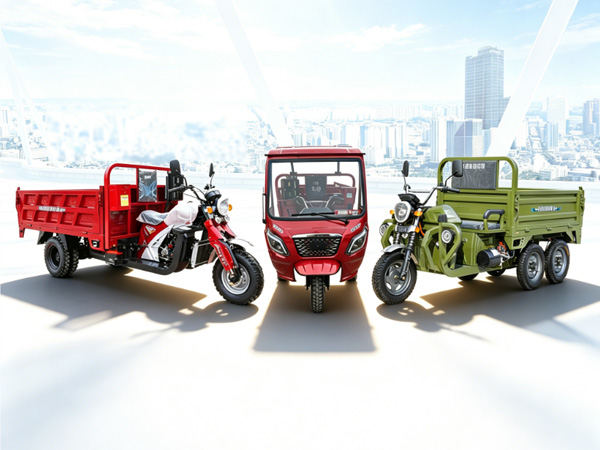
Understanding Engines in Fuel Powered Tricycles
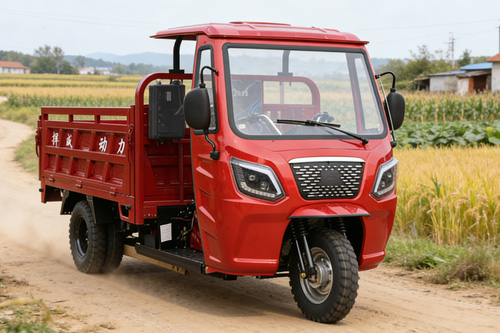
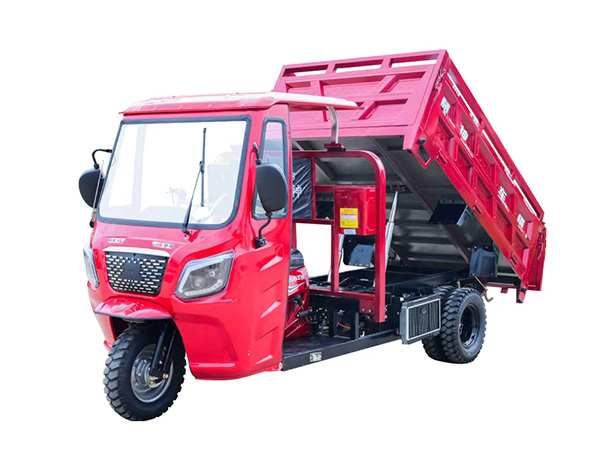
A Fuel Tricycle Engine remains widely used in commercial transportation because of its durability, simple maintenance structure, and strong load-carrying capability. In many developing markets, fuel-powered tricycles continue to dominate short-distance logistics and passenger transportation due to affordable operating infrastructure.
Two-Stroke vs Four-Stroke Engine Systems
The most common configurations for a Fuel Tricycle Engine are two-stroke and four-stroke systems. Two-stroke engines provide lightweight construction and faster acceleration, while four-stroke engines deliver better fuel efficiency and reduced emissions.
Commercial operators generally prefer four-stroke engines because they offer longer service life and lower fuel consumption under continuous operation. Their improved combustion efficiency also supports stricter environmental compliance standards.
Engine Displacement and Torque Performance
Engine displacement directly affects hauling capability. A larger Fuel Tricycle Engine can generate higher torque output, allowing the vehicle to transport heavier cargo loads without excessive strain.
Torque performance is particularly important in urban transportation environments where frequent stopping and acceleration occur. Engines optimized for low-end torque improve climbing performance and overall delivery efficiency.
Fuel Efficiency in Commercial Operations
Fuel economy significantly impacts transportation profitability. Advanced carburetor systems and fuel injection technology have improved the efficiency of modern fuel tricycle engines.
Operators often prioritize engines that maintain stable fuel consumption under varying cargo conditions. Efficient combustion reduces operational expenses while minimizing unnecessary emissions.
Cooling Systems and Thermal Stability
Commercial transportation vehicles frequently operate under high thermal stress. Air-cooled and liquid-cooled systems are both used in Fuel Tricycle Engine platforms depending on vehicle size and operational requirements.
Thermal management directly influences engine lifespan. Overheating can reduce lubrication efficiency and increase mechanical wear, making reliable cooling systems essential for long-term commercial use.
Transmission and Power Delivery
A properly designed transmission system improves the operational efficiency of a Fuel Tricycle Engine. Gear ratios must balance acceleration capability with fuel economy and load stability.
Heavy-duty transmission systems also improve power transfer efficiency during uphill transportation and full-load operation.
Maintenance Factors for Long-Term Reliability
Routine maintenance remains essential for engine reliability. Oil replacement, air filter cleaning, spark plug inspection, and valve adjustment help maintain stable engine performance.
Businesses operating commercial tricycle fleets often prioritize engine designs that simplify maintenance procedures and reduce downtime.
Choosing the Right Fuel Tricycle Engine
Selecting an appropriate Fuel Tricycle Engine depends on cargo requirements, driving conditions, fuel economy expectations, and maintenance accessibility. Reliable engine systems improve operational continuity and transportation efficiency across commercial delivery networks.
References
Swagelok Technical Engineering Reference
Feng Xu et al., Trapping and Displacement of Liquid Plugs in Rough-Walled Tubes, arXiv, 2017.

Contact Us
Tel:8615713172715 / 8619061777149
WeChat:8615713172715 / 8619061777149
E-mail:942778859@qq.com
Url:https://www.duomitricycle.com