







- Site Navigation -
Tricycles in Urban Transportation Systems: Integration, Policy, and Performance
Author:duomi Date:2026-07-26 22:37:59 Hits:114
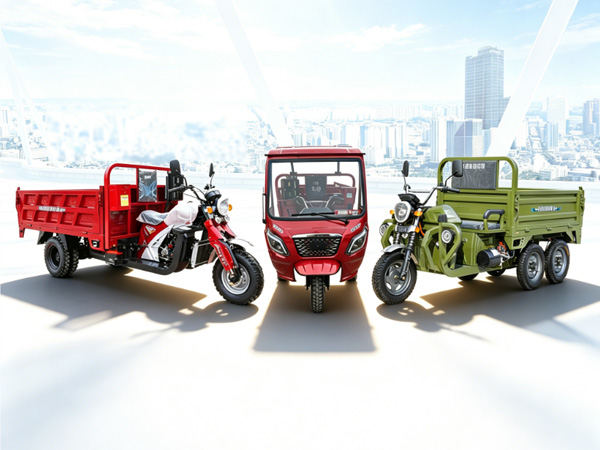
As cities worldwide confront the simultaneous challenges of traffic congestion, urban freight emissions, and last-mile connectivity gaps, tricycles in urban transportation systems have evolved from informal paratransit vehicles into formally integrated components of municipal transport planning. From the licensed tricycle taxis of the Philippines and Nigeria to the municipal cargo trike fleets of Amsterdam and Ghent, these vehicles address specific urban mobility gaps that buses, trains, and vans cannot efficiently fill. This guide examines the integration models, performance data, and policy frameworks that enable urban transport tricycles to deliver measurable improvements in urban mobility efficiency, emission reduction, and transport equity for low-income urban populations.
Urban Mobility Gaps That Tricycles Fill
Urban transportation systems face three persistent gaps that urban transport tricycles are uniquely positioned to address. First, the first-mile/last-mile gap: formal public transit (buses, metro) operates on fixed corridors and cannot serve low-density residential areas or irregular demand patterns cost-effectively. Tricycles in urban transportation systems provide flexible, demand-responsive service that connects these areas to transit hubs at a fraction of the cost of paratransit vans or ride-hailing vehicles. Second, the micro-freight gap: urban retail and food businesses require frequent, small-batch goods movement within 1–5 km radii that full-size delivery vans cannot execute efficiently due to parking constraints and traffic. Cargo urban transport tricycles fill this gap with 60–80% lower per-delivery cost. Third, the accessibility gap: for elderly and mobility-impaired populations, the step-in height and door-to-door capability of passenger tricycles provide accessible transport that fixed-route transit cannot match in low-density areas.
Cargo Tricycles in Municipal Logistics Operations
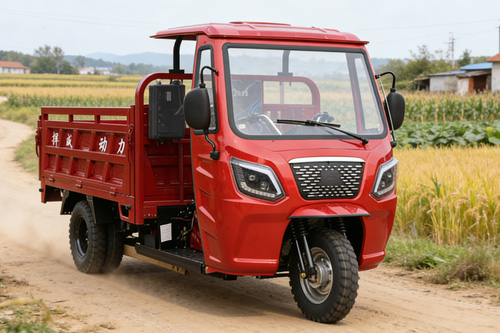
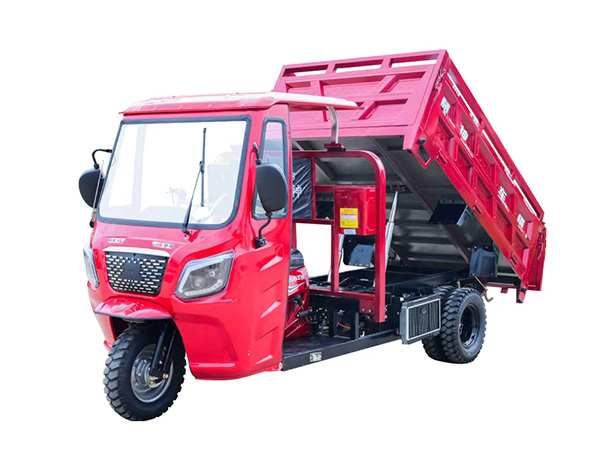
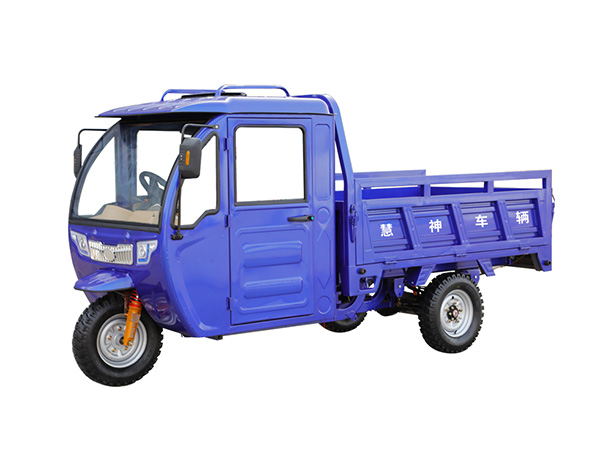
Municipal deployment of urban transport tricycles for cargo applications has accelerated across European cities, with Amsterdam, Copenhagen, Ghent, and Paris each operating 200–1,000+ municipal or licensed cargo trikes for: postal delivery, municipal waste collection in pedestrian zones, park and public space maintenance equipment transport, and emergency equipment transport for municipal services. The city of Ghent's municipal cargo trike fleet achieved a 40% reduction in noise complaints from park and pedestrian zone maintenance operations, while maintaining service frequency, by replacing small vans with electric urban transport tricycles that operate silently and without direct emissions. For municipal procurement teams, the urban transport tricycle specification should prioritize: electric assist (for operator fatigue management on multi-stop routes), weather-protected cargo or equipment enclosures, and standardized charging infrastructure compatible with municipal facility electrical systems.
Passenger Tricycles in Paratransit and Informal Transport
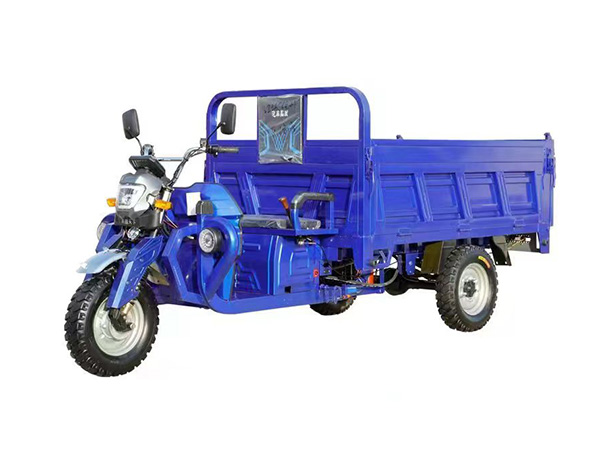
In many Global South cities, passenger tricycles (known locally as auto-rickshaws, tricycles, tuk-tuks, keke-napep) constitute 15–40% of the total urban passenger transport modal share. The integration of these vehicles into formal urban transportation systems requires regulatory frameworks that address: vehicle safety standards (many informal tricycles lack basic safety equipment), operator licensing and training, fare regulation and passenger protection, and emission standards for gasoline-powered units. Cities that have successfully formalized tricycles in urban transportation systems—including Lagos, Manila, and Dhaka—report 20–35% reductions in passenger journey times, 15–25% reductions in fare volatility, and measurable improvements in passenger safety incidents after implementing operator training, vehicle standard requirements, and route licensing systems. The transition from informal to formal paratransit status is a critical policy lever for improving urban transport equity and efficiency.
Infrastructure Requirements for Urban Tricycle Integration
Integrating urban transport tricycles into city transportation systems requires targeted infrastructure investments that are low-cost relative to vehicle infrastructure. Key requirements include: designated loading and unloading zones for cargo urban transport tricycles (5–8 m² per zone, marked on-street or in municipal facility areas), secure parking areas for passenger tricycle staging at transit hubs and markets, charging infrastructure for electric cargo and passenger trikes (240 V outlets, one per 3–5 vehicles), and integration of tricycle access permissions into bicycle lane and pedestrian zone planning. The infrastructure cost per urban transport tricycle deployed is typically $200–$600—compared to $15,000–$50,000 per vehicle for equivalent van or bus infrastructure. This favorable infrastructure-to-vehicle cost ratio makes tricycle integration one of the most cost-effective urban transport capacity expansion strategies available to municipal governments.
Emission Reduction and Sustainability Metrics
The sustainability case for urban transport tricycles is compelling when quantified. A passenger tricycle with a 150–250 cc gasoline engine emits 60–90 g CO₂ per passenger-km, compared to 120–180 g for a private car and 180–250 g for a motorcycle. An electric passenger or cargo urban transport tricycle emits 0 g direct emissions and 15–30 g CO₂ per passenger-km on average grid intensity. For cities with aggressive emission reduction targets, deploying 500–1,000 electric urban transport tricycles in place of equivalent gasoline paratransit or delivery vans reduces urban transport emissions by 800–2,000 t CO₂-equivalent per year. Several Chinese cities (Shenzhen, Hangzhou) have mandated full electrification of urban transport tricycle fleets for municipal logistics, achieving 90%+ emission reduction in the municipal logistics vehicle segment within 2–3 years of policy implementation.
Policy Frameworks for Formal Integration
Successful integration of tricycles in urban transportation systems requires policy frameworks that balance innovation with safety and equity. Best-practice policy elements include: vehicle type approval standards (minimum safety, emission, and durability requirements for licensed operation), operator licensing with competency-based training (not merely fee-based permits), route or service area licensing to prevent oversupply and ensure service coverage in underserved areas, and incentive structures for electric urban transport tricycles (purchase subsidies, charging infrastructure access, priority loading zones). Cities that implement all four elements see higher operator compliance, better service quality, and measurable reductions in unsafe vehicles and untrained operators on urban roads. Policy implementation cost is typically $15–$40 per vehicle for licensing and inspection systems, a fraction of the public health and efficiency benefits achieved.
Frequently Asked Questions
How do tricycles integrate into formal urban transportation systems?
Integration occurs through three primary models: municipal deployment (city-owned urban transport tricycles for cargo and service applications), licensed paratransit (private operators licensed to provide passenger service under regulated fares and safety standards), and commercial fleet deployment (private logistics and delivery companies deploying tricycles under commercial vehicle regulations). The optimal model depends on local transport governance capacity and the specific mobility gap being addressed.
What are the main challenges in integrating cargo tricycles into city logistics?
The primary challenges are: securing reliable loading and unloading infrastructure in dense urban areas, training municipal or commercial operators in safe urban transport tricycle operation (different skill set from bicycle or van operation), and developing route optimization systems that account for tricycle-specific constraints (range, cargo volume, multi-stop efficiency). Cities that address these challenges through integrated planning achieve 25–40% higher tricycle fleet utilization compared to ad-hoc deployment.
Are electric urban transport tricycles reliable for daily commercial use?
Yes, for applications with daily distance under 60 km and access to overnight charging. Modern electric urban transport tricycles with 48V/20–30 Ah lithium batteries achieve 99.2–99.7% uptime in commercial deployments, with the primary failure modes being tire punctures and minor electrical connector issues rather than powertrain failure. Battery replacement every 4–5 years ($300–$800) should be budgeted as scheduled maintenance, not unexpected failure.
What policy support is needed for urban tricycle adoption?
Effective policy support includes: purchase incentives or tax exemptions for electric urban transport tricycles, prioritized access to bicycle lanes and pedestrian zones, expedited permitting for commercial tricycle operations, and municipal procurement programs that create demonstration effects and scale for the private market. Cities that combine these policies see 3–5× faster urban transport tricycle adoption rates compared to cities relying on market forces alone.
Conclusion
The integration of tricycles in urban transportation systems is not a stopgap measure—it is a structural optimization of urban mobility networks that leverages the unique capabilities of these vehicles to fill persistent gaps in first-mile/last-mile connectivity, micro-freight distribution, and accessible transport for underserved populations. The evidence from integrated deployments across Global North and South cities shows consistent results: 20–40% improvements in targeted transport efficiency metrics, 60–90% reductions in per-vehicle emissions, and expanded transport access for low-income and mobility-impaired urban populations. For municipal transport planners, the urban transport tricycle represents a rare intervention with high impact, low implementation cost, and rapid measurable returns. The cities that formalize and optimize tricycles in urban transportation systems today will establish competitive advantages in sustainability, efficiency, and transport equity that compound as urban density and emission pressures intensify.
References
Shaheen, S. and Chan, N., "Mobility and the Sharing Economy: Potential to Overcome First and Last Mile Public Transit Connections," UC Berkeley: Transportation Sustainability Research Center, 2016.
Dablanc, L. and Morganti, E., "City Logistics: E-Commerce and Last-Mile Delivery in Urban Areas," Built Environment, vol. 43, no. 4, pp. 529–541, 2017.
Cherry, C. et al., "Electric Bicycles and Motorcycles in China: Analysis of Environmental and Economic Benefits," Transportation Research Part D: Transport and Environment, vol. 59, pp. 143–152, 2018.
Enoch, M., "Sustainable Urban Transport: Cycle Logistics and the Role of Cargo Bikes," Research in Transportation Business & Management, vol. 26, pp. 1–10, 2018.
World Bank, "Urban Mobility and the Role of Non-Motorized Transport in Developing Cities," World Bank Urban Development Series, 2022.

Contact Us
Tel:8615713172715 / 8619061777149
WeChat:8615713172715 / 8619061777149
E-mail:942778859@qq.com
Url:https://www.duomitricycle.com