







- Site Navigation -
Gasoline Tricycles vs Electric Tricycles: Key Differences
Author:duomi Date:2026-05-27 21:42:21 Hits:113
Gasoline Tricycles vs Electric Tricycles: Key Differences
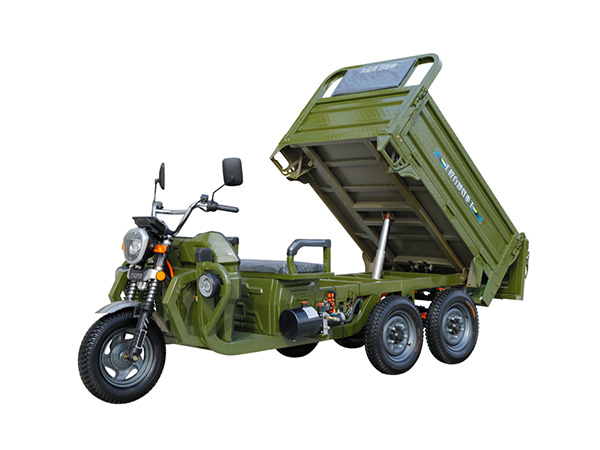
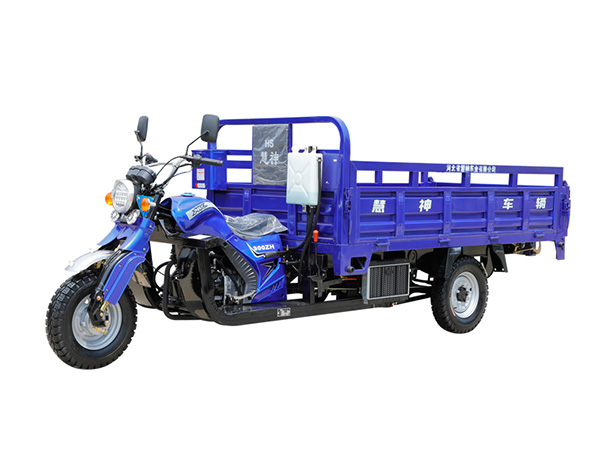
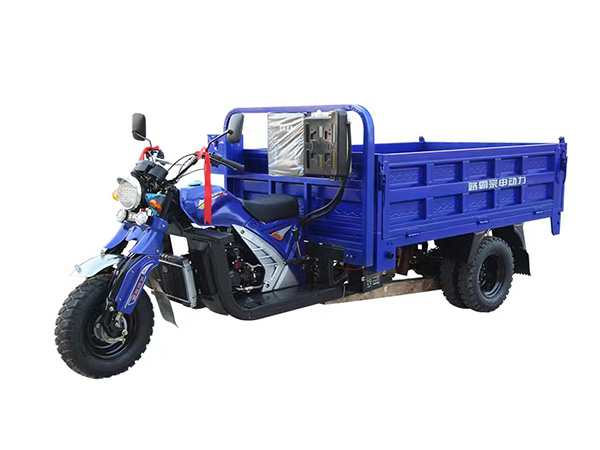
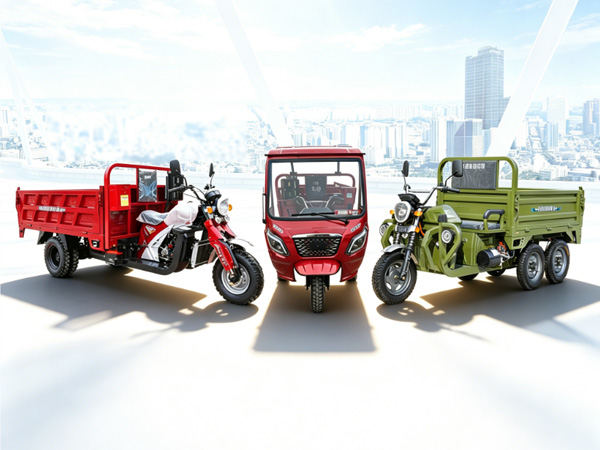
Gasoline Tricycle vehicles represent traditional propulsion technology serving commercial transport and recreational applications, while electric alternatives offer modern capabilities transforming urban mobility markets worldwide. Comparing Gasoline Tricycle options against electric competitors requires understanding operational requirements, cost structures, and regulatory environments that determine optimal vehicle selection for specific applications. This comprehensive analysis examines critical differences between Gasoline Tricycle and electric platforms to guide purchasing decisions for commercial operators and individual buyers alike.
Propulsion System Architecture and Power Delivery Characteristics
Gasoline Tricycle designs utilize internal combustion engines that generate power through controlled fuel combustion, delivering torque through mechanical transmission systems to rear or front drive wheels. These engines typically displacement ranges from 50cc to 250cc depending on payload requirements, with single or multi-cylinder configurations providing power levels suitable for various commercial applications. The mechanical drivetrain complexity of Gasoline Tricycle vehicles requires regular maintenance of clutches, transmissions, and belt or chain final drives.
Electric tricycle propulsion employs battery-powered electric motors delivering immediate torque without transmission intermediaries, providing smooth acceleration characteristics that Gasoline Tricycle designs cannot match. Motor controller systems manage power delivery with precision that optimizes efficiency across varying load conditions. This propulsion simplicity eliminates many maintenance requirements while providing performance characteristics suitable for urban transport applications.
Operational Cost Comparison and Fuel Economy Analysis
Fuel consumption costs dominate Gasoline Tricycle operating expenses, with typical fuel economy ranging from 35-50 km/L depending on engine displacement, load conditions, and driving patterns. At current fuel prices, Gasoline Tricycle fuel costs often exceed operating costs for electric alternatives when electricity pricing reflects favorable industrial or residential rates. Commercial operators accumulating high annual mileages particularly benefit from electric operating cost advantages.
Electric tricycle energy costs typically amount to one-quarter to one-third of equivalent Gasoline Tricycle fuel expenses, representing substantial savings for commercial operators conducting daily transport operations. Charging infrastructure investment adds upfront costs that amortization analysis must evaluate against ongoing fuel savings. Total cost of ownership comparisons between Gasoline Tricycle and electric options should incorporate energy costs, maintenance expenses, and vehicle lifespan considerations.
Maintenance Requirements and Service Interval Differences
Gasoline Tricycle maintenance demands regular attention to engine components including oil changes, air filter replacement, spark plug service, and fuel system cleaning that accumulate labor costs and parts expenses throughout vehicle service life. Transmission maintenance for Gasoline Tricycle vehicles includes clutch adjustment, belt or chain replacement, and gearbox service that mechanical drivetrains require. Service interval adherence significantly affects Gasoline Tricycle reliability and longevity.
Electric tricycle maintenance requirements focus primarily on brake service, tire maintenance, and suspension component care that all vehicle types share, eliminating the extensive engine maintenance that Gasoline Tricycle ownership demands. Brake wear rates decrease substantially in electric applications due to regenerative braking utilization that reduces mechanical braking demands. This maintenance simplification translates to reduced downtime and lower service expenses for electric platforms.
Environmental Performance and Emissions Compliance
Tailpipe emissions from Gasoline Tricycle vehicles include carbon monoxide, unburned hydrocarbons, nitrogen oxides, and particulate matter that contribute to urban air quality challenges increasingly regulated by emissions standards worldwide. Euro 5, Bharat Stage VI, and equivalent emissions regulations increasingly constrain Gasoline Tricycle market availability as regulators tighten standards for small vehicle categories. This regulatory pressure accelerates commercial operator transition toward electric alternatives.
Zero-emission operation characterizes electric tricycle platforms, eliminating tailpipe pollutants that compromise air quality in urban environments where these vehicles commonly operate. Operational emissions benefits from electric propulsion support urban sustainability objectives while providing commercial operators with emissions-free transport capabilities that satisfy increasingly stringent environmental requirements. This environmental profile increasingly influences fleet procurement decisions for commercial applications.
Range Capabilities and Energy Storage Considerations
Gasoline Tricycle range capabilities exceed electric alternatives substantially, with fuel tank capacity enabling 200-400 kilometer ranges between refueling stops depending on tank size and consumption rates. This range advantage proves significant for applications involving extended route operations, rural transport services, or areas lacking charging infrastructure. Gasoline Tricycle operators benefit from rapid refueling that completes in minutes compared to electric charging durations.
Electric tricycle range limitations typically span 80-150 kilometers per charge for standard battery configurations, with extended-range options available through additional battery capacity that increases vehicle cost and weight. Charging duration from typical household outlets spans 6-10 hours, while fast charging systems can reduce charging duration substantially for commercial applications with opportunity charging availability. Range anxiety concerns influence Gasoline Tricycle preference for certain commercial applications.
Initial Purchase Price and Total Cost of Ownership
Gasoline Tricycle purchase prices typically range from $800-2,500 depending on displacement, cargo configuration, and brand positioning, offering lower acquisition costs than electric alternatives that generally command premium pricing of $1,500-4,000 for equivalent payload capabilities. This acquisition price differential requires substantial mileage accumulation to realize electric operating cost advantages that offset higher initial investment.
Government incentive programs in numerous markets subsidize electric tricycle purchases to accelerate fleet electrification, potentially narrowing acquisition price gaps between Gasoline Tricycle and electric options. Incentive availability varies substantially by jurisdiction, requiring purchasers to evaluate local incentive programs when comparing total cost of ownership across platform options. Tax treatment, registration fees, and road usage charges also differ between Gasoline Tricycle and electric classifications.
Performance Characteristics for Commercial Applications
Gasoline Tricycle acceleration and hill-climbing capabilities often exceed electric alternatives, particularly for heavy-load applications requiring sustained power output that battery discharge characteristics limit in electric configurations. Merging, overtaking, and grade climbing performance distinguishes Gasoline Tricycle capabilities for applications involving challenging terrain or demanding load conditions. Engine displacement sizing enables matching power characteristics to specific application requirements.
Electric tricycle instant torque delivery provides excellent performance for typical urban transport applications where stop-and-go driving patterns dominate operational profiles. Regenerative braking captures energy during deceleration that extends effective range in urban operating environments. Performance characteristics for specific applications should guide platform selection decisions rather than generalized assumptions about either technology.
Noise Levels and Urban Environment Compatibility
Noise emissions from Gasoline Tricycle engines create urban soundscape impacts increasingly regulated by noise standards for vehicle operation in residential and commercial zones. Engine noise during idle, acceleration, and sustained cruising contributes to ambient noise levels that affect quality of life for urban residents. Quiet hours restrictions in some jurisdictions limit Gasoline Tricycle operating times due to noise concerns.
Silent electric propulsion enables nighttime deliveries, early-morning operations, and continuous urban service without noise concerns that restrict Gasoline Tricycle activities in noise-sensitive environments. This operational flexibility provides competitive advantages for electric commercial operators serving time-sensitive or noise-restricted applications. Noise reduction benefits extend to operator comfort and hearing preservation over extended service periods.
Infrastructure Requirements and Operational Flexibility
Gasoline Tricycle fueling infrastructure reaches essentially all urban and most rural locations globally, with fuel availability supporting continuous operations across diverse geographic environments. This infrastructure ubiquity eliminates range anxiety and enables flexible routing without charging station considerations. Fuel station density ensures that Gasoline Tricycle operators can refuel wherever operations take them.
Electric tricycle charging infrastructure requirements create operational constraints that limit route flexibility until charging networks mature in specific markets. Home charging enables daily range replenishment for predictable daily usage patterns, while opportunity charging at commercial locations extends effective range for operators with access to charging facilities. Infrastructure availability assessments should guide platform selection for specific operating environments.
Making Strategic Tricycle Platform Selection Decisions
Strategic Gasoline Tricycle versus electric platform selection requires evaluating specific application requirements, operating patterns, infrastructure availability, and total cost of ownership projections that vary substantially across different contexts. Applications involving extended range requirements, heavy payloads, challenging terrain, or limited charging infrastructure may favor Gasoline Tricycle platforms despite electric operating cost advantages. Urban commercial applications with predictable daily mileage and access to charging infrastructure increasingly favor electric alternatives.
Remember that Gasoline Tricycle technology represents mature, proven capability offering range, refueling simplicity, and immediate availability that serve specific application requirements effectively. Electric alternatives provide compelling operating cost advantages and environmental benefits that drive transition in appropriate applications. Your strategic vehicle selection should match platform characteristics to actual operational requirements rather than following generalized market trends without application-specific validation.
References
International Transport Forum. (2021). ITF working paper - Electric vehicle adoption in urban commercial transport. ITF Publications.
World Resources Institute. (2020). WRI electric three-wheeler market analysis and deployment roadmap. WRI Publications.
Bloomberg New Energy Finance. (2021). BNEF electric vehicle outlook - Three-wheeled vehicle electrification trends. BNEF Reports.
Lawrence Berkeley National Laboratory. (2019). LBNL total cost of ownership framework for electric vehicles. LBNL Technical Reports.
Institute of Transportation Studies. (2020). UC Davis ITS research on electric mobility adoption patterns. UC Davis Publications.

Contact Us
Tel:8615713172715 / 8619061777149
WeChat:8615713172715 / 8619061777149
E-mail:942778859@qq.com
Url:https://www.duomitricycle.com