







- Site Navigation -
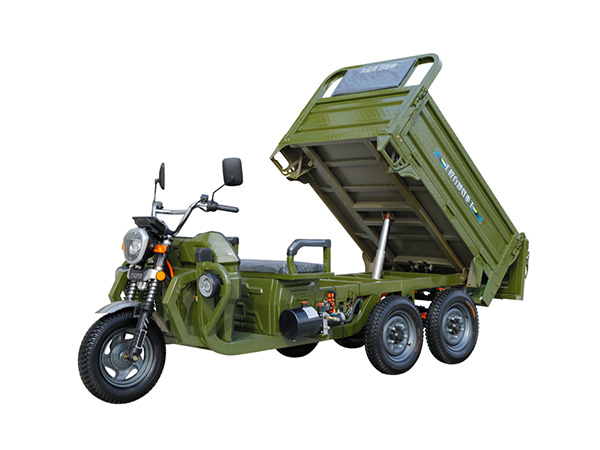
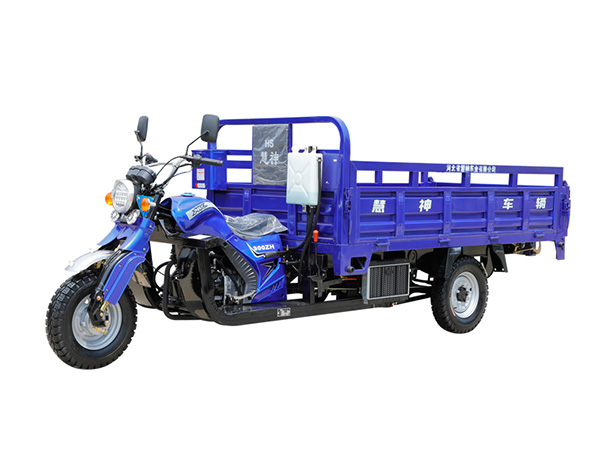
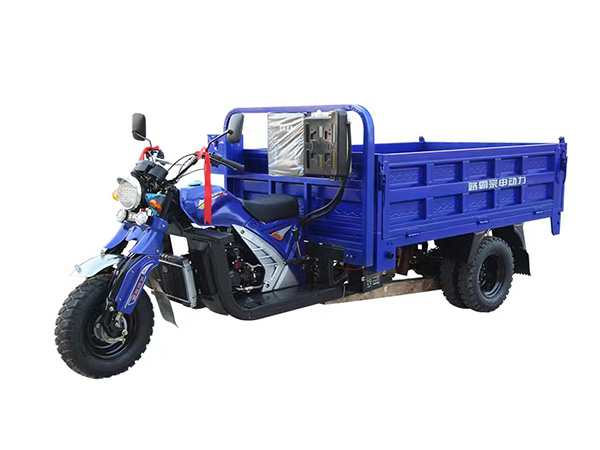
Gasoline Dump Tricycles for Heavy Work: Performance and Selection Guide
Author:duomi Date:2026-07-23 16:42:14 Hits:50
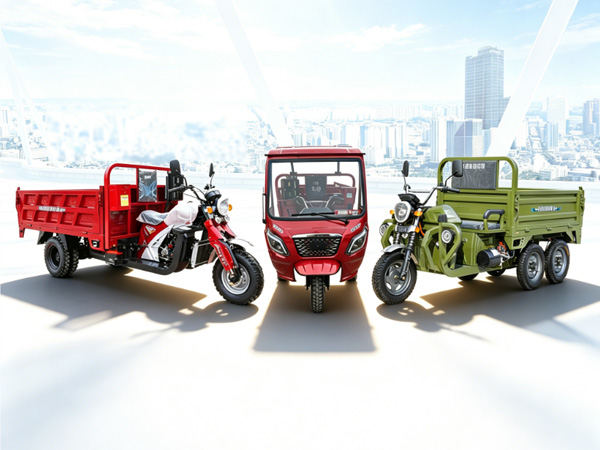
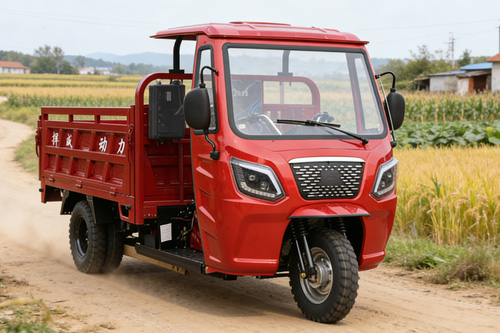
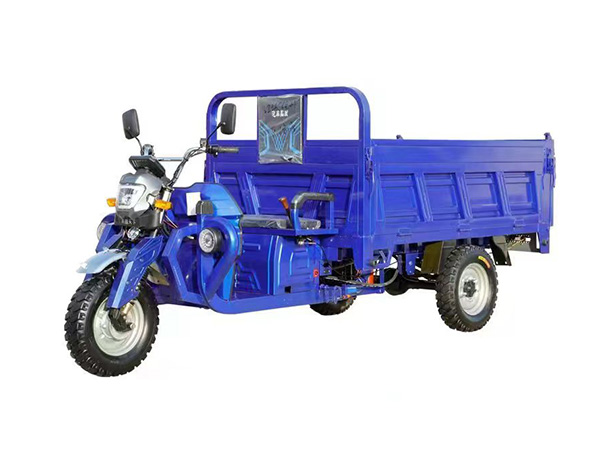
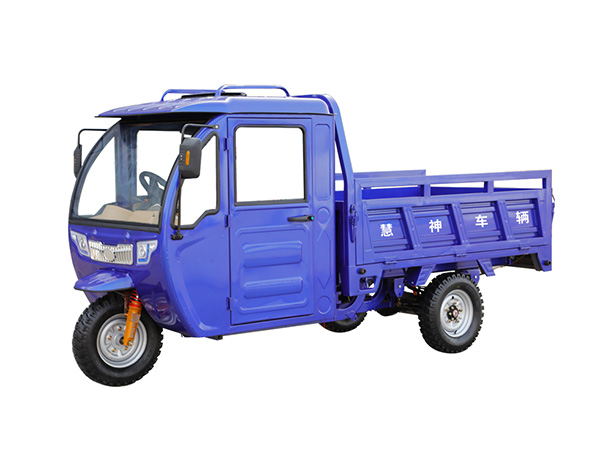
For material handling applications that exceed the range, grade, or sustained heavy-load capabilities of electric models, the gasoline dump tricycle remains the pragmatic choice. With engine displacements of 110–250 cc and payload capacities of 500–1,000 kg, gasoline dump tricycles for heavy work serve construction sites, agricultural operations, rural infrastructure projects, and mining support applications where electric range limitations, charging infrastructure gaps, or sustained heavy-grade operation make electric alternatives impractical. This guide provides engineering and procurement teams with the technical framework to evaluate gasoline dump trike specifications, compare performance across engine classes, and implement maintenance practices that maximize service life in demanding operating environments.
Engine Specifications: Matching Displacement to Work Demands
The engine is the defining performance component of a gasoline dump tricycle. Engine displacement determines available torque, sustained load capability, and grade performance. For gasoline dump tricycles for heavy work, the three primary engine classes are:
110–125 cc: Suitable for 300–500 kg payload on flat to moderately hilly terrain (grades up to 8%). Fuel consumption 1.5–2.0 L/100 km. Adequate for agricultural transport on firm access tracks and light construction material movement.
150–200 cc: Suitable for 500–700 kg payload on varied terrain (grades up to 12–15%). Fuel consumption 2.0–2.5 L/100 km. The most versatile class for mixed construction, agriculture, and rural logistics applications.
250 cc: Suitable for 700–1,000 kg payload on steep or sustained graded terrain (grades up to 18–20%). Fuel consumption 2.5–3.5 L/100 km. Specified for heavy construction, mining support, and mountain agriculture applications where maximum torque and grade capability are required.
All three classes use air-cooled, overhead valve (OHV) designs for simplicity and serviceability in remote locations. Liquid cooling is available on some 250 cc models but adds maintenance complexity without meaningful benefit for typical dump trike duty cycles (intermittent operation, not sustained high-speed running).
Transmission and Drivetrain for Heavy Loads
A gasoline dump tricycle for heavy work requires a drivetrain that manages the combined challenges of high starting torque, shock loading from dump cycles, and variable terrain. The standard configuration is a manual clutch with 3–4 speed gearbox (foot-shift or hand-shift depending on regional preference) and a heavy-duty roller chain (428H or 520 specification) on 44–52 tooth rear sprockets. For loads exceeding 600 kg or frequent operation on grades, specify a gearbox with a granny-low first gear (gear ratio >3:1) to provide adequate starting torque without excessive clutch slip. Chain and sprocket life under heavy work conditions is 3,000–5,000 km—shorter than electric models due to engine vibration and shock loading. Budget chain and sprocket replacement as a scheduled 3,000 km maintenance item, not an unexpected failure. Some heavy-work gasoline dump tricycles offer shaft drive as an alternative to chain drive, eliminating chain maintenance but adding weight and cost.
Dump Bed Design for Heavy-Duty Applications
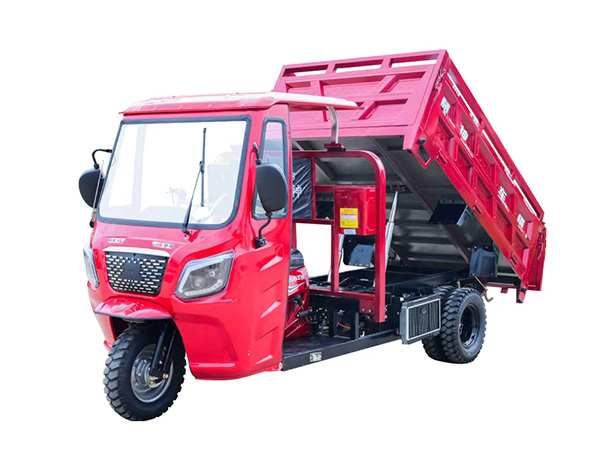
The dump bed on a gasoline dump tricycle for heavy work must withstand not only the payload weight but also the dynamic forces of tipping and the impact of bulk material loading (sand, gravel, rock). Heavy-duty specifications include: bed floor thickness ≥2.0 mm steel (vs. 1.2–1.5 mm for light-duty models), reinforced hinge plates with grease-able bushings, a mechanical latch rated for 1.5× maximum payload to prevent accidental tipping during transport, and a manual or hydraulic tipping mechanism sized for the maximum rated load plus a 25% safety margin. Hydraulic tipping (12V DC hydraulic power unit) is recommended for loads exceeding 400–500 kg to reduce operator effort and enable controlled partial dumping. For gasoline dump tricycles handling abrasive materials (gravel, crushed stone, demolition debris), specify a bed liner or replaceable wear plates to extend bed service life beyond the 3–5 year baseline.
Frame and Suspension for Rough Terrain
Heavy-work applications subject the gasoline dump tricycle frame to impacts, torsion, and vibration that exceed the demands of road or warehouse use. Frame specifications for gasoline dump tricycles for heavy work include: Q345 high-strength steel as baseline (yield strength ≥345 MPa), with chromoly 4130 available for the most demanding applications; reinforced gusset plates at the head tube, seat tube, and rear dropout junctions; a box-section rear frame (hollow rectangular tubing) rather than open-channel sections for superior torsional stiffness; and a rear suspension system (leaf spring or coil-over) to absorb shock loads from rough terrain. The suspension system is a critical differentiator: rigid rear frames transmit all shock directly to the frame and cargo, accelerating fatigue; suspended rear frames extend service life by 30–50% under equivalent rough-terrain use. For construction and mining support applications, specify suspended rear frames as standard.
Fuel System and Range Considerations
A gasoline dump tricycle typically carries 4–6 L of fuel in an integrated steel or polyethylene tank, providing 150–300 km range depending on engine displacement and load. This range is 3–5× that of an electric dump trike on a single charge, making gasoline models the clear choice for remote operations, large construction sites, or rural routes where charging infrastructure is unavailable. For extended range requirements, specify models with larger aftermarket fuel tanks (8–10 L) or carry portable fuel containers (approved gasoline containers, 5 L capacity) for refueling at the worksite. The absence of charging infrastructure requirements also makes gasoline dump tricycles for heavy work the preferred choice for disaster relief, remote infrastructure projects, and humanitarian logistics where electricity access cannot be guaranteed.
Maintenance Planning for Heavy-Work Deployments
Heavy-work operating environments accelerate component wear through dust, mud, vibration, and shock loading. A structured maintenance program for a gasoline dump tricycle in heavy-work service includes: daily air filter inspection and cleaning (foam filters can be washed and re-oiled; paper filters must be replaced when dirty), weekly engine oil level check and monthly change (every 1,500–2,000 km or 3 months, whichever comes first), weekly drive chain lubrication and tension check, monthly dump hinge and latch inspection and greasing, and annual valve clearance check and adjustment (critical for maintaining engine performance and fuel efficiency on OHV engines). With this maintenance program, a heavy-work gasoline dump tricycle achieves 8–12 years of service life. Without it, service life typically falls to 4–6 years, with engine overhaul or replacement required at 15,000–20,000 km.
Frequently Asked Questions
What engine size do I need for a heavy-work gasoline dump tricycle?
For payloads of 300–500 kg on terrain with grades up to 8%, a 110–125 cc engine is sufficient. For payloads of 500–700 kg on varied terrain with grades up to 12–15%, specify 150–200 cc. For payloads of 700–1,000 kg on steep terrain (grades up to 18–20%) or sustained heavy-grade operation, specify 250 cc. Always include a 15–20% derating margin below the engine's maximum rated payload to preserve reliability under real-world conditions.
How does a gasoline dump tricycle compare to an electric model for heavy work?
For heavy work, the gasoline dump tricycle offers superior range (150–300 km per tank vs. 40–60 km per charge), consistent power delivery on steep or sustained grades, and no dependence on charging infrastructure. The trade-offs are higher operating cost ( $0.10–$0.20 per km vs. $0.01–$0.02 per km for electric), higher maintenance cost, noise and emissions that restrict indoor and noise-sensitive area operation, and lower resale value as urban emission regulations tighten. For remote, heavy-grade, or extended-range applications, gasoline remains the pragmatic choice.
What maintenance does a gasoline dump tricycle require in dusty conditions?
Dust is the primary accelerator of engine and drivetrain wear. Key practices include: foam air filter cleaned and re-oiled daily in very dusty conditions (vs. weekly in normal conditions), chain enclosure inspected weekly and cleaned when dust accumulation is visible, engine oil changed every 1,500 km (vs. 2,000 km in normal conditions) to remove abrasive dust particles that bypass the air filter, and all grease fittings (hinges, bushings, suspension pivots) re-greased every 500 km in dusty conditions. These practices double or triple component service life compared to ad-hoc maintenance in dust.
Can a gasoline dump tricycle operate on steep construction site access roads?
Yes, with appropriate engine and braking specifications. A gasoline dump tricycle with 150–250 cc engine and a low first gear ratio can climb sustained grades of 12–18% with 500–700 kg payload. For descending grades safely, specify engines with sufficient compression braking (4-stroke engines provide adequate engine braking; small 2-stroke engines do not) and hydraulic disc brakes on all three wheels. Reduce payload by 20–30% when operating on grades exceeding 15% to maintain adequate braking margin and prevent overheating of brake components during extended descents.
Conclusion
Gasoline dump tricycles for heavy work occupy a specific and important position in the material handling vehicle spectrum: they are the only cost-effective mechanized solution for 500–1,000 kg payload applications in remote locations, on steep terrain, or where charging infrastructure is unavailable. The selection criteria are straightforward: match engine displacement to your maximum payload and grade requirements, specify heavy-duty frame and suspension for your terrain conditions, implement a structured maintenance program suited to dust and shock loading, and budget for 3,000 km chain and sprocket replacement as scheduled maintenance. For businesses and projects operating beyond the range or grade limits of electric alternatives, the gasoline dump tricycle delivers reliable, repairable, and economically sustainable material handling performance with a total cost of ownership that remains competitive despite higher fuel and maintenance costs. As battery technology improves, the application envelope of electric models will expand, but for the foreseeable future, gasoline dump tricycles for heavy work will remain essential equipment for remote, steep-terrain, and extended-range material handling operations.
References
Societ of Automotive Engineers, "Small Engine Performance and Durability Standards for Off-Road Applications," SAE Technical Paper Series, 2020.
Morton, C. and Hallowell, M., "Construction Equipment Maintenance in Remote and Harsh Environments," Journal of Construction Engineering and Management, vol. 144, no. 8, 2018.
Wang, Y. et al., "Small Displacement Internal Combustion Engine Efficiency and Emission Characteristics," Applied Thermal Engineering, vol. 185, p. 116365, 2021.
He, X. and Zheng, X., "Maintenance Optimization for Construction Machinery and Equipment," Automation in Construction, vol. 97, pp. 218–228, 2019.
International Organization for Standardization, "ISO 5007:2003 — Agricultural wheeled tractors — Operator's seat — Laboratory evaluation of vibration," ISO, 2003.

Contact Us
Tel:8615713172715 / 8619061777149
WeChat:8615713172715 / 8619061777149
E-mail:942778859@qq.com
Url:https://www.duomitricycle.com