







- Site Navigation -
Engine Performance in Gasoline Tricycles: Power, Torque, and Application Matching
Author:duomi Date:2026-08-15 08:17:11 Hits:138
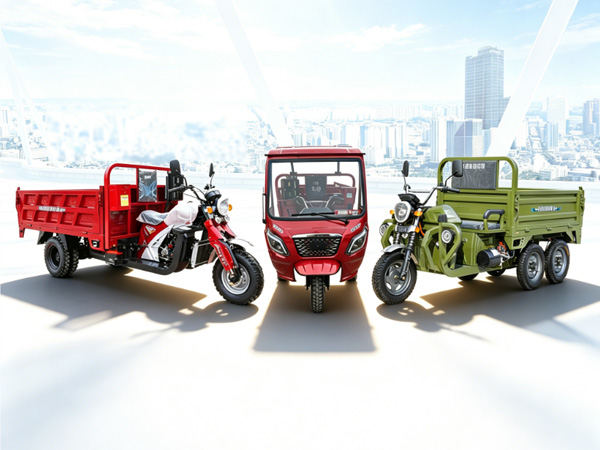
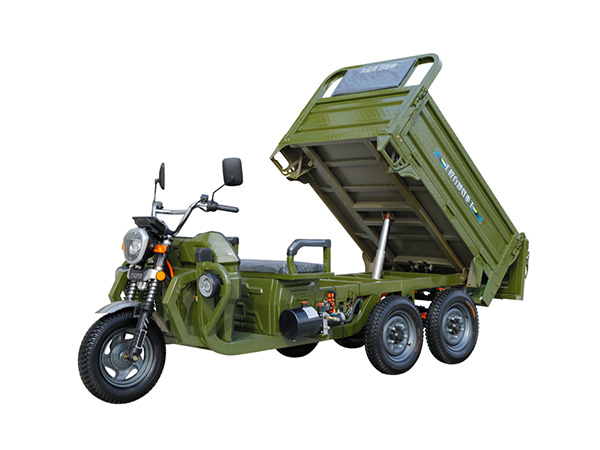
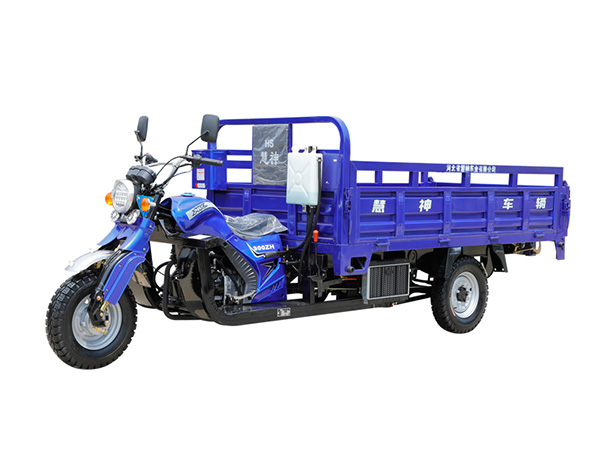
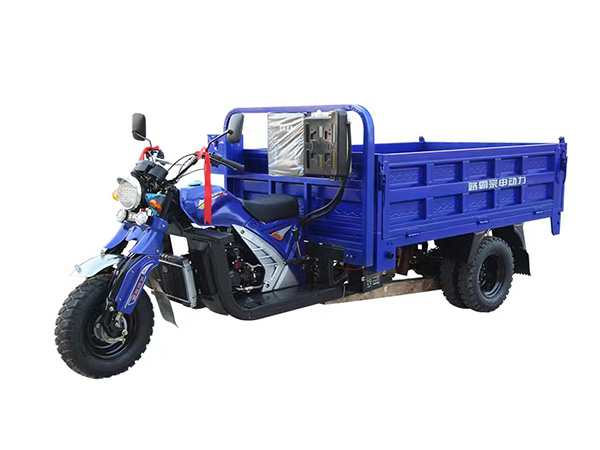
The engine is the mechanical heart of any fuel-powered gasoline tricycle, and its performance characteristics determine what the vehicle can carry, how fast it moves, and how reliably it operates over time. For buyers evaluating gasoline tricycles for industrial applications, understanding the relationship between engine specifications and real-world performance is essential to matching vehicle capability to operational requirements. An undersized engine produces chronic strain, accelerated wear, and frustrating operational limitations; an oversized engine adds unnecessary purchase cost, weight, and fuel consumption. This guide breaks down the key engine performance parameters for gasoline tricycles and explains how to apply them in the selection process.
Engine Displacement and Power Output
Engine displacement—the total volume swept by the pistons in one complete engine cycle—is the primary determinant of power output in small internal combustion engines. Gasoline tricycles are equipped with single-cylinder air-cooled engines ranging from 50 cc to 250 cc, with the majority of commercial applications falling in the 110–200 cc range. A 110–125 cc engine produces 5.5–7.5 kW (7.4–10 hp) at rated engine speed, sufficient for payloads up to 400 kg on flat to moderately sloping terrain. A 150–175 cc engine produces 8–10 kW (10.8–13.4 hp) and handles payloads up to 600 kg on grades up to 12%. A 200–250 cc engine produces 11–14 kW (14.8–18.8 hp) and is specified for payloads up to 1,000 kg on steep or sustained grades. Power output scales with displacement, but so does weight and fuel consumption. The buyer's task is to select the smallest engine that provides adequate performance margin above the maximum intended payload to avoid chronic engine strain that accelerates wear and increases failure rates.
Torque Characteristics and Grade Climbing Ability
For gasoline tricycles operating on hilly or sloped terrain, peak torque output is more operationally relevant than raw horsepower. Torque—the rotational force the engine produces—determines the vehicle's ability to accelerate from rest and maintain speed on grades. Small single-cylinder engines produce peak torque in a narrow RPM band (typically 5,000–7,000 rpm for OHV designs), and their ability to sustain useful torque output while the vehicle crawls up a hill at 10–15 km/h depends on whether the chosen gear ratio keeps the engine RPM within this peak-torque range. A gasoline tricycle with a well-matched transmission (granny-low first gear ratio above 3:1) keeps the engine in its power band on steep starts, while a poorly matched transmission forces the engine to lug at low RPM below its torque peak, producing sluggish performance and cylinder head overheating. When evaluating tricycle engine performance, ask the manufacturer for the engine's torque curve data or conduct a loaded grade test on the steepest anticipated route before committing to a purchase.
Fuel Efficiency and Operating Range
Fuel consumption on a gasoline tricycle varies with engine displacement, load weight, terrain, and riding behavior, but representative figures for commercial operation are: 110–125 cc engines consume 1.5–2.0 L per 100 km; 150–200 cc engines consume 2.0–2.8 L per 100 km; 250 cc engines consume 2.5–3.5 L per 100 km. These figures apply to mixed urban and peri-urban driving with typical payloads. Sustained heavy-load operation on steep terrain can increase consumption by 30–50%. With a standard 4–6 L fuel tank, range capability is: 110–125 cc models, 200–300 km; 150–200 cc models, 150–280 km; 250 cc models, 120–220 km. For operations requiring maximum range between refueling stops, the lower fuel consumption of smaller displacement engines is an advantage, provided the engine is not chronically overloaded beyond its comfortable performance envelope.
Air-Cooled vs Liquid-Cooled Engines
All gasoline tricycles in the commercial 50–250 cc class use air-cooled engine designs, with liquid cooling appearing only on a small number of high-performance 250+ cc models. Air cooling is the appropriate choice for this displacement class because: it eliminates the weight, complexity, and potential leak points of a cooling system; it provides adequate heat dissipation for intermittent-duty commercial use; and it simplifies maintenance and improves field serviceability. The limitation of air-cooled engines is thermal management under sustained heavy-load operation—prolonged climbing with a heavy payload in hot ambient temperatures can push cylinder head temperatures toward the upper limit of safe operating range. Operators should recognize the warning signs of overheating (power loss, cylinder head discoloration, oil smoke) and reduce load or stop for a cool-down interval when these occur. In climates with sustained ambient temperatures above 35°C, reducing rated payload by 10–15% is a prudent practice for air-cooled gasoline tricycles.
Transmission and Gear Ratio Selection
The transmission translates engine output to wheel rotation and is as important to gasoline tricycle performance as the engine itself. Commercial gasoline tricycles typically use a manual sequential 3–4 speed gearbox with a single dry-plate clutch. First gear ratios range from 2.8:1 to 3.5:1 depending on the engine's torque output and intended application—higher ratios (numerically lower) are used for heavy-duty applications requiring maximum hill-climbing torque. For general commercial use, a first gear ratio of 3.0:1 to 3.2:1 strikes a reasonable balance between starting ability and top-gear usability. The final drive ratio (transmission output sprocket to rear wheel sprocket) further multiplies this, typically in the range of 2.5:1 to 3.5:1. Buyers specifying a gasoline tricycle for a specific application—frequent steep starts versus flat terrain high-speed running—should discuss gear ratio requirements with the manufacturer or supplier to ensure the vehicle is correctly configured from the outset rather than requiring costly aftermarket transmission modifications.
Engine Break-In and Long-Term Reliability
A properly broken-in engine delivers measurably better performance and longer service life than one rushed into heavy service. The recommended break-in procedure for a new gasoline tricycle engine is: first 500 km, operate at 50–60% of rated payload and avoid sustained wide-open throttle; next 500–1,500 km, gradually increase payload and engine RPM toward rated values; at 1,500 km, perform the first engine oil and filter change (this is critical—the initial oil carries metal wear particles from the break-in process). Engines that are run hard during the first 1,000 km develop higher oil consumption, lower compression, and reduced power output over time compared to those broken in according to the manufacturer's procedure. The break-in investment of one to two weeks of gentle operation pays dividends throughout the engine's 15,000–25,000 km service life in the form of lower oil consumption, better fuel economy, and a cleaner-running engine.
Frequently Asked Questions
What engine size do I need for my gasoline tricycle application?
Match engine displacement to your maximum payload and terrain. For flat terrain with payloads under 400 kg, a 110–125 cc engine is adequate. For varied terrain with payloads of 400–700 kg or grades up to 12%, specify 150–200 cc. For heavy payloads of 700–1,000 kg on steep terrain, specify 200–250 cc. Always include a 15–20% payload margin above your typical maximum to prevent chronic engine strain.
Why does my gasoline tricycle lose power on hills?
Power loss on grades is caused by the engine being unable to maintain its peak torque RPM when the vehicle slows. Check that you are in the correct gear—the engine should remain in the 5,000–7,000 rpm range under load. If the problem persists, the engine may need servicing (air filter restriction, carburetor tuning, or valve adjustment) or may be undersized for the load and grade conditions.
How can I improve fuel economy on my gasoline tricycle?
Maintain steady throttle application rather than frequent acceleration and braking. Ride in the highest appropriate gear to keep engine RPM in the 4,000–6,000 rpm efficiency band. Reduce excess payload weight and remove any unnecessary accessories. Keep the air filter clean, the tires properly inflated, and the chain correctly tensioned and lubricated—mechanical friction from a neglected drivetrain can increase fuel consumption by 15–25%.
How often should I service the engine on a gasoline tricycle?
Engine oil and filter change every 1,500–2,000 km or every 3 months, whichever comes first. Air filter inspection and cleaning every 3,000 km (more frequently in dusty conditions). Spark plug replacement every 5,000 km. Valve clearance check and adjustment every 10,000 km. This schedule maintains engine performance, prevents premature wear, and extends service life toward the 15,000–25,000 km range before major overhaul is required.
Conclusion
Engine performance in gasoline tricycles is not a single number to compare—it is a constellation of interlinked characteristics including displacement, torque output, fuel efficiency, thermal management, and transmission matching. Buyers who understand these relationships and match engine specifications to their actual application conditions make better purchasing decisions and experience fewer operational frustrations. The 15–25% premium for a correctly sized, well-matched engine over an undersized budget alternative pays back through better reliability, lower fuel consumption, longer service intervals, and reduced risk of engine failure during critical operations. A well-selected gasoline tricycle engine, properly broken in and maintained, delivers years of productive commercial service.
References
Heywood, J.B., "Internal Combustion Engine Fundamentals," McGraw-Hill Education, 2nd Edition, 2018.
Society of Automotive Engineers, "Small Air-Cooled Engine Performance and Durability Standards," SAE J609, 2021.
Dost, P. and Agarwal, D., "Fuel Efficiency Optimization in Small Single-Cylinder Engines," Applied Energy, vol. 285, 2021.
Vibe, I.I., "Semi-Empirical Method for Heat Release Calculation in Spark Ignition Engines," SAE Technical Paper 2001010, 2001.

Contact Us
Tel:8615713172715 / 8619061777149
WeChat:8615713172715 / 8619061777149
E-mail:942778859@qq.com
Url:https://www.duomitricycle.com