







- Site Navigation -
Electric Tuk Tuk for Urban Mobility
Author:duomi Date:2026-05-24 20:08:16 Hits:103
Electric Tuk Tuk for Urban Mobility
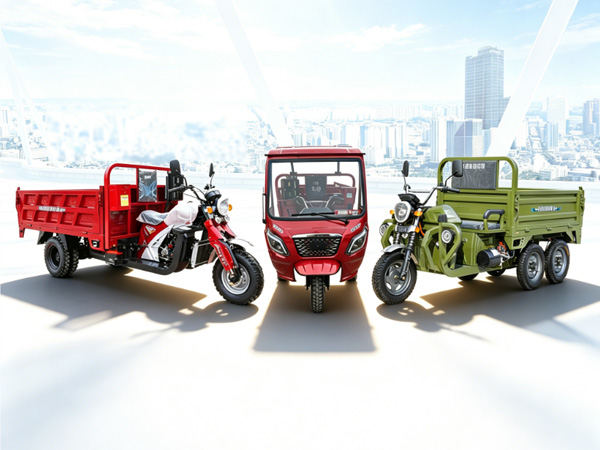
Electric Tuk Tuk vehicles represent transformative technology reshaping urban passenger transport across Asian, African, and emerging market cities where traditional auto-rickshaw services have historically depended on gasoline propulsion. Modern Electric Tuk Tuk platforms deliver zero-emission passenger mobility with operating economics that increasingly challenge conventional vehicle economics while addressing air quality concerns that diesel and gasoline alternatives exacerbate. This comprehensive analysis examines Electric Tuk Tuk capabilities, market positioning, and adoption considerations for commercial operators and municipal planners.
Urban Mobility Context and Transportation Challenges
Cities across developing economies face transportation challenges where Electric Tuk Tuk deployment offers compelling solutions addressing congestion, pollution, and accessibility limitations that conventional public transport alternatives cannot resolve. Last-mile connectivity gaps in transit systems create demand for Electric Tuk Tuk services that provide flexible passenger transport from transit hubs to final destinations inaccessible by larger vehicles.
Fossil fuel dependence in urban transport creates foreign exchange burdens for economies importing petroleum products, while local air pollution from gasoline and diesel vehicles contributes to public health costs that Electric Tuk Tuk zero-emission operation eliminates. These environmental and economic drivers support government incentives accelerating Electric Tuk Tuk adoption across markets where traditional auto-rickshaw fleets operate.
Electric Tuk Tuk Platform Architecture and Specifications
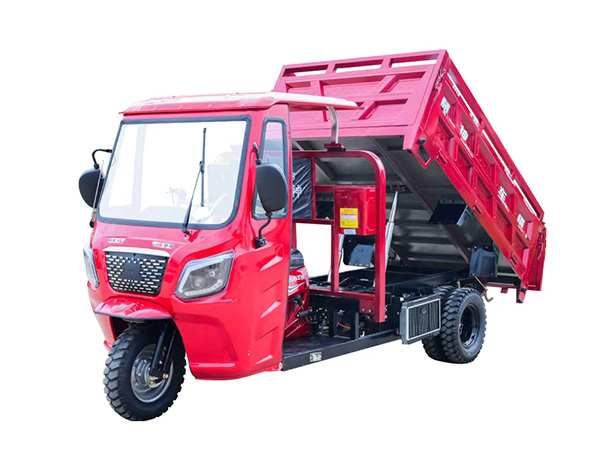
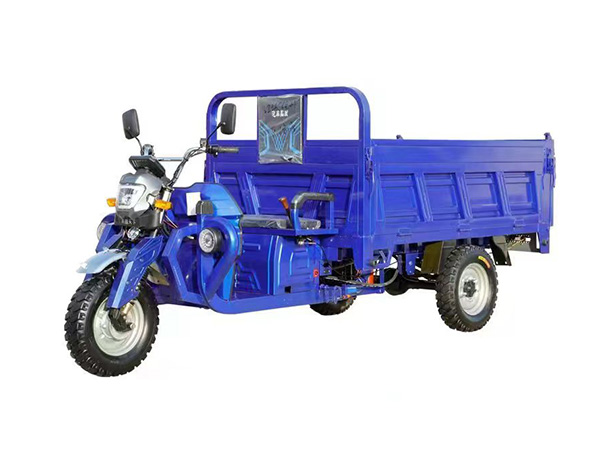
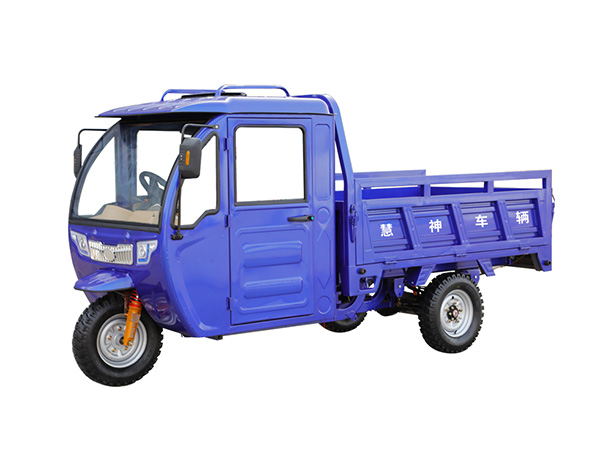
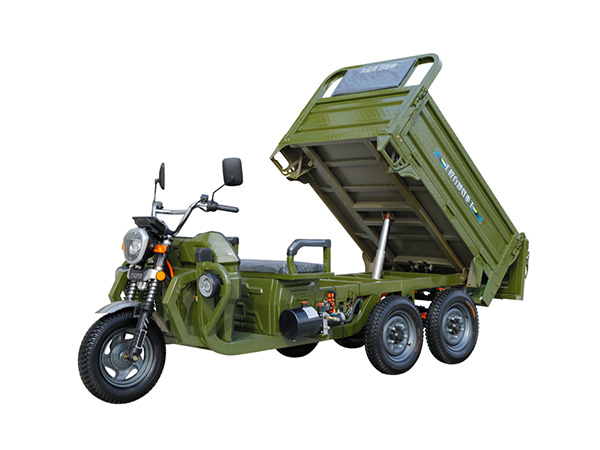
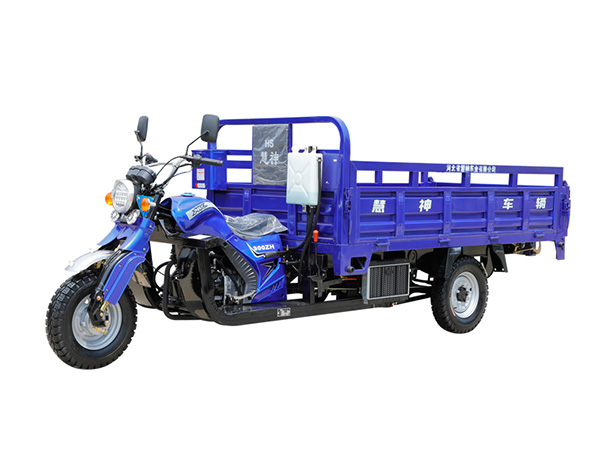
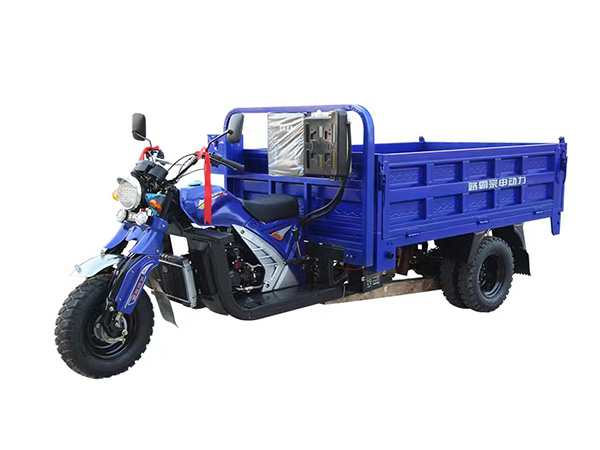
Electric Tuk Tuk vehicle architecture preserves the iconic three-wheel configuration that defines traditional tuk-tuk design while integrating electric powertrain technology that replaces internal combustion propulsion. Motor power ratings typically range from 1.5 kW to 7.5 kW depending on passenger capacity and performance requirements, with direct drive systems eliminating mechanical transmission complexity that conventional platforms require.
Battery configurations for Electric Tuk Tuk vehicles employ lithium-ion technology providing energy density, cycle life, and charging characteristics suitable for commercial transport applications. Battery capacities from 4 kWh to 15 kWh determine range capabilities that must match intended operational profiles without excessive vehicle cost or weight penalties. Swappable battery systems enable rapid range restoration for high-utilization commercial operations.
Performance Characteristics and Operational Capability Analysis
Electric Tuk Tuk performance characteristics including acceleration, hill-climbing capability, and maximum speed determine suitability for specific urban operating environments. Instant torque delivery from electric motors provides responsive acceleration that enhances passenger experience while enabling efficient traffic merging and intersection maneuvers that define urban driving conditions.
Range capabilities spanning 80-150 kilometers per charge for standard configurations address typical urban passenger transport requirements, with extended-range options available for applications involving longer route segments or limited charging infrastructure. Daily range requirements analysis should guide Electric Tuk Tuk battery configuration selection to ensure adequate range without excessive capacity costs.
Charging Infrastructure and Energy Supply Considerations
Charging infrastructure development represents critical enabling infrastructure for Electric Tuk Tuk deployment, requiring investment in charging stations positioned to support commercial operational patterns. Standard household charging at 220V outlets provides overnight charging capability for Electric Tuk Tuk operators with home-base parking, while commercial charging stations with faster charging rates enable opportunity charging during driver breaks.
Energy supply arrangements for Electric Tuk Tuk commercial operations require utility connection capacity, electricity pricing arrangements, and billing systems that enable cost recovery for charging energy consumed. Solar charging integration offers compelling options for Electric Tuk Tuk operations in sun-rich markets where photovoltaic generation can offset grid electricity consumption while reducing operating costs.
Economic Analysis and Operating Cost Structure Comparison
Electric Tuk Tuk operating cost advantages compared to gasoline auto-rickshaw alternatives derive primarily from reduced energy costs and simplified maintenance requirements that lower total cost of ownership. Energy costs per kilometer for Electric Tuk Tuk operation typically amount to 20-30% of equivalent gasoline expenses, representing substantial savings for commercial operators conducting daily passenger transport operations.
Maintenance expense reduction for Electric Tuk Tuk operations eliminates oil changes, engine maintenance, and frequent transmission service that gasoline vehicles require, reducing both maintenance frequency and parts costs. Brake component wear reduction from regenerative braking contributes additional maintenance savings that improve Electric Tuk Tuk operating economics compared to conventional alternatives.
Commercial Operator Considerations and Business Model Analysis
Electric Tuk Tuk commercial operation requires business model adaptation to address charging requirements, battery leasing options, and service area optimization that electric platform operation introduces. Fleet composition planning, driver compensation structures, and service scheduling must accommodate Electric Tuk Tuk charging duration and range limitations that conventional vehicles do not impose.
Battery swapping business models offered by some Electric Tuk Tuk manufacturers and third-party providers enable operators to avoid high battery acquisition costs while gaining rapid battery exchange capability that minimizes charging downtime. These battery-as-a-service models transfer battery degradation risk to providers while enabling operators to scale fleet size without proportional capital investment.
Government Policy Support and Regulatory Framework Development
Government incentive programs for Electric Tuk Tuk adoption include purchase subsidies, tax exemptions, charging infrastructure investment, and preferential treatment in transportation licensing frameworks. These policy supports accelerate fleet transition by reducing acquisition cost barriers while creating operational advantages that improve Electric Tuk Tuk commercial viability.
Regulatory framework development for Electric Tuk Tuk operations addresses vehicle standards, operator licensing requirements, fare regulation, and service area designations that define commercial operating conditions. Clear regulatory frameworks reduce Electric Tuk Tuk investment uncertainty while protecting consumer interests through appropriate quality and safety standards.
Environmental Impact Assessment and Sustainability Analysis
Lifecycle emissions analysis for Electric Tuk Tuk operations reveals substantial environmental advantages over gasoline alternatives even when accounting for electricity generation emissions, with the magnitude of benefit depending on grid electricity carbon intensity in specific markets. Reduced tailpipe emissions during operation combine with generation efficiency improvements to deliver lifecycle emissions reductions that support urban air quality objectives.
Battery end-of-life management represents emerging sustainability consideration for Electric Tuk Tuk deployment as electric vehicle fleets mature, requiring recycling infrastructure and second-life applications that manage battery materials responsibly. Manufacturer take-back programs, recycling partnerships, and regulatory requirements increasingly address Electric Tuk Tuk battery sustainability concerns throughout vehicle lifecycle.
Market Development and Adoption Trend Analysis
Electric Tuk Tuk market development accelerates as vehicle manufacturers expand production capacity, charging infrastructure matures, and government incentive programs demonstrate commercial viability. Production volumes increasing from specialized manufacturers to mainstream automotive producers indicate market maturation that will drive cost reduction and quality improvement across Electric Tuk Tuk product offerings.
Adoption patterns for Electric Tuk Tuk technology follow predictable technology adoption curves with early adopters accepting higher costs and infrastructure limitations in exchange for first-mover advantages, followed by early majority adoption as these barriers diminish. Market-specific factors including fuel price differentials, government policy support, and existing auto-rickshaw fleet age influence adoption rates in specific markets.
Making Strategic Electric Tuk Tuk Deployment Decisions
Strategic Electric Tuk Tuk deployment decisions require evaluating market-specific factors including charging infrastructure availability, government incentive programs, operational requirement matching, and competitive dynamics that determine commercial viability. Pilot deployment programs enable operational learning that informs broader fleet deployment decisions while limiting investment exposure during technology transition periods.
Remember that Electric Tuk Tuk technology represents transformational capability addressing urban mobility challenges while delivering environmental benefits that conventional transport alternatives cannot achieve. Your strategic deployment decisions contribute to sustainable urban mobility transformation while positioning commercial operations for success in markets increasingly favoring electric passenger transport solutions.
References
Bloomberg New Energy Finance. (2021). BNEF electric vehicle outlook - Electric three-wheeler market analysis. BNEF Reports.
World Resources Institute. (2020). WRI electric mobility in emerging markets - Tuk-tuk electrification analysis. WRI Publications.
Rocky Mountain Institute. (2021). RMI electric auto-rickshaw deployment case studies. RMI Publications.
Institute of Transportation Studies. (2020). UC Davis ITS research on electric three-wheeler technology and markets. UC Davis Publications.
Asian Development Bank. (2019). ADB sustainable transport initiative - Electric vehicle deployment in Asia. ADB Publications.

Contact Us
Tel:8615713172715 / 8619061777149
WeChat:8615713172715 / 8619061777149
E-mail:942778859@qq.com
Url:https://www.duomitricycle.com