







- Site Navigation -
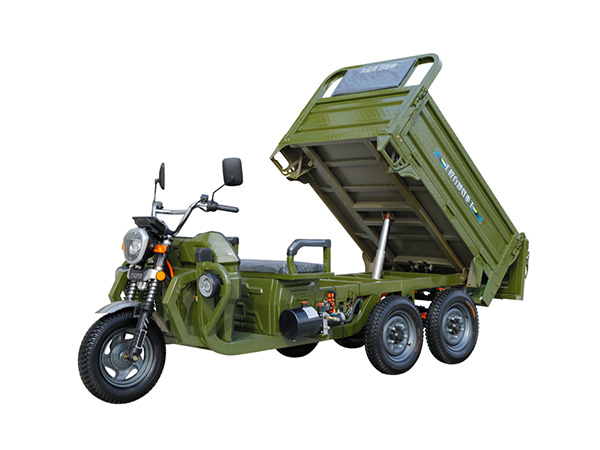
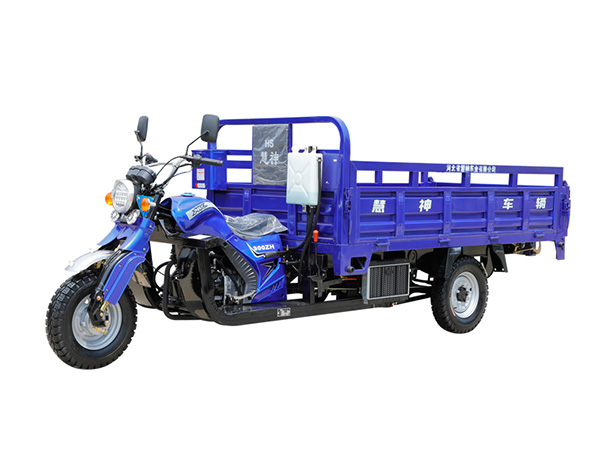
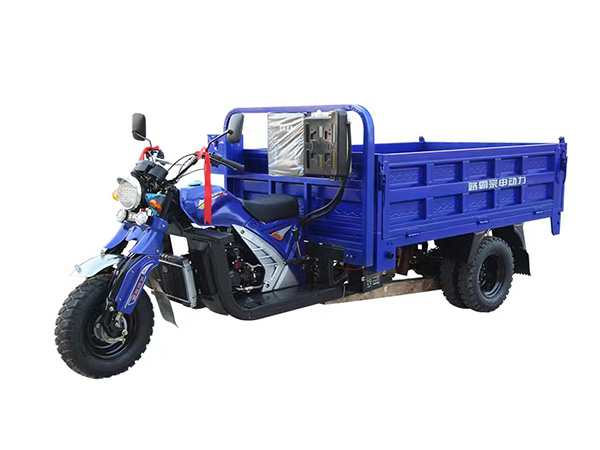
Electric Three-Wheeled Dump Truck Explained
Author:duomi Date:2026-05-03 09:26:20 Hits:96

Electric Powertrain Architecture Defines Core Efficiency
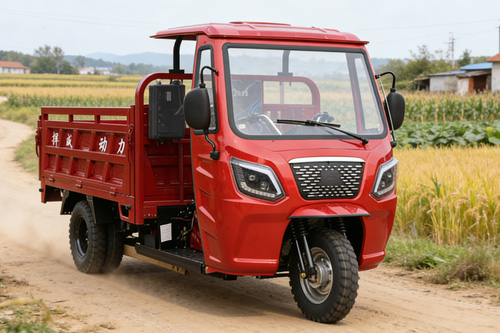
The Electric Three-Wheeled Dump Truck is built around a fully electric drivetrain that replaces traditional combustion engines with battery-powered motor systems. This configuration significantly reduces fuel dependency and operational emissions. The electric motor delivers torque directly to the rear axle, ensuring stable low-speed performance, which is essential for construction and short-distance logistics environments.
Three-Wheel Chassis Design Improves Maneuverability
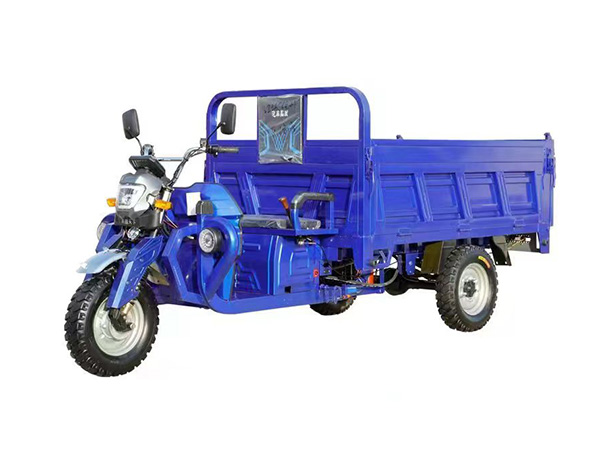
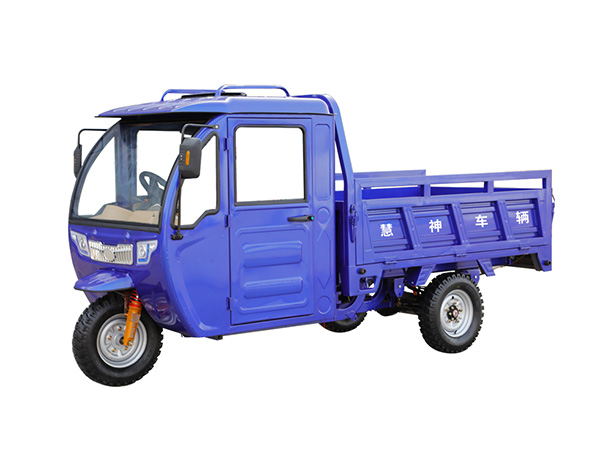
Unlike four-wheel dump trucks, the three-wheeled configuration offers a tighter turning radius and improved maneuverability in narrow work sites. The chassis is typically reinforced with high-strength steel to support heavy payloads while maintaining structural balance. This makes the vehicle particularly suitable for urban construction zones and confined industrial areas.
Battery System Determines Operational Endurance
The performance of an Electric Three-Wheeled Dump Truck heavily depends on its battery system. Most models use lithium-ion or lead-acid batteries, with lithium offering higher energy density and longer lifecycle. Battery capacity directly influences operating hours, and efficient energy management systems are integrated to optimize power usage during load-heavy operations.
Hydraulic Dumping System Ensures Efficient Material Handling
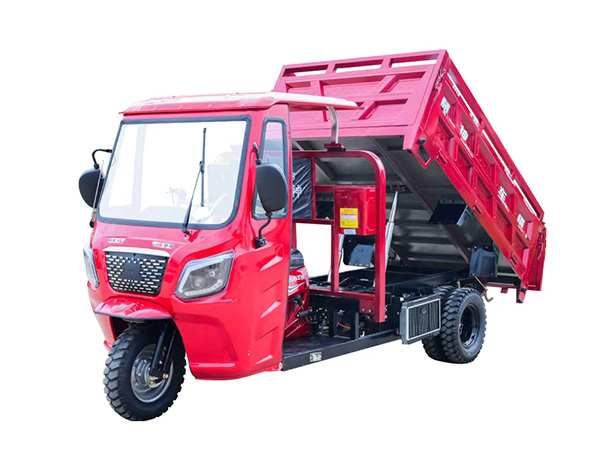
The dumping mechanism uses an electric-hydraulic system that allows the cargo bed to tilt for unloading materials such as sand, gravel, or construction waste. This system is designed for high reliability under repetitive load cycles. Hydraulic cylinders are engineered to maintain stability even when carrying uneven loads.
Control System Enhances Operational Safety
Modern Electric Three-Wheeled Dump Truck models include intelligent control systems that regulate speed, braking, and energy distribution. Some advanced versions incorporate overload protection and slope stability control, improving safety in challenging terrains.
Load Capacity Balances Efficiency and Stability
Although compact, these vehicles are designed to handle substantial payloads. Engineers carefully balance load capacity with structural integrity to prevent tipping or instability. This balance is critical for maintaining safe operation under real-world working conditions.
Industrial Applications Expand Across Multiple Sectors
These vehicles are widely used in construction, agriculture, mining support, and municipal waste transport. Their low operating cost and high efficiency make them ideal for small-to-medium scale logistics operations.
Maintenance Requirements Ensure Long-Term Reliability
Regular maintenance includes battery inspection, hydraulic system checks, and motor diagnostics. Proper maintenance extends service life and ensures consistent performance in demanding environments.
References
Chan, C.C. Electric Vehicle Technology Explained
Ehsani, M. Modern Electric, Hybrid Electric, and Fuel Cell Vehicles

Contact Us
Tel:8615713172715 / 8619061777149
WeChat:8615713172715 / 8619061777149
E-mail:942778859@qq.com
Url:https://www.duomitricycle.com