







- Site Navigation -
Commercial Tricycles for Business Growth: A Strategic Procurement and ROI Analysis
Author:duomi Date:2026-06-15 19:39:12 Hits:114
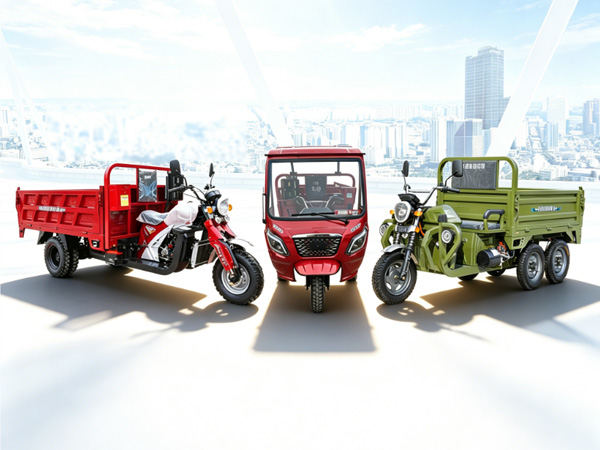
Across manufacturing, retail, hospitality, agriculture, and service industries, businesses are discovering that commercial tricycles are not merely a low-cost alternative to powered vehicles—they are a strategic growth lever. The economics are compelling: a commercial tricycle for business deployment typically achieves payback within 6–18 months while reducing per-delivery costs by 65–80% compared to van-based models. But the strategic case extends beyond cost. Commercial tricycles unlock operational capabilities that vans cannot provide—access to pedestrian zones, ability to operate during peak traffic restrictions, silent operation for time-sensitive deliveries—and these capabilities translate directly into revenue growth, customer retention, and competitive differentiation. This guide provides B2B decision-makers with the analytical framework to quantify the business case for commercial tricycles and select the optimal model for their operational context.
The Total Economic Impact of Commercial Tricycle Deployment
A rigorous total cost of ownership (TCO) analysis is the foundation of any commercial tricycle for business procurement decision. For a 3-year deployment horizon with a vehicle rated at 300–500 kg payload and 20–30 daily trips:
Acquisition cost: $1,500–$4,500 per unit (manual to electric-assist). Compare to $18,000–$35,000 for a light commercial van.
Fuel/energy cost: $30–$120 per year for electric charging (vs. $2,400–$4,800 per year for diesel/petrol vans).
Maintenance cost: $200–$500 per year for a commercial tricycle vs. $1,800–$4,500 per year for a van.
Insurance: $150–$400 per year vs. $800–$2,500 for a van in commercial use.
Depreciation: 3-year linear depreciation on a commercial tricycle yields ~$500–$1,500 residual value versus 40–50% residual for commercial vans.
The cumulative 3-year TCO advantage of a commercial tricycle over a van for equivalent payload duties is $18,000–$45,000 per unit. For a 10-vehicle fleet, this represents $180,000–$450,000 in savings that can be redirected to growth investment, pricing flexibility, or margin improvement.
Revenue Growth Applications: Where Commercial Tricycles Create Market Access
The revenue impact of commercial tricycles goes beyond cost reduction. In urban markets, restaurant and food delivery businesses that adopt commercial tricycles gain the ability to offer rapid delivery within a 5 km radius during peak traffic hours when van and car delivery times triple. Logistics operators in historic European cities report 25–35% faster delivery cycles using commercial tricycles in pedestrian zones inaccessible to motor vehicles. Agricultural co-operatives in Southeast Asia use commercial tricycles to move produce from farm to collection point within 2 hours of harvest, reducing spoilage rates by 15–20% compared to motorbike transport, directly increasing marketable yield. In each case, the commercial tricycle for business investment creates revenue that would be impossible with conventional vehicles.
Matching Business Requirements to Commercial Tricycle Specifications
The commercial tricycle market offers a spectrum of configurations—each optimized for different business models:
Box van configuration (enclosed): Ideal for parcel delivery, food service, pharmaceutical logistics. Protects cargo from weather and theft. Typical volume: 1.2–2.0 m³. Payload: 200–500 kg.
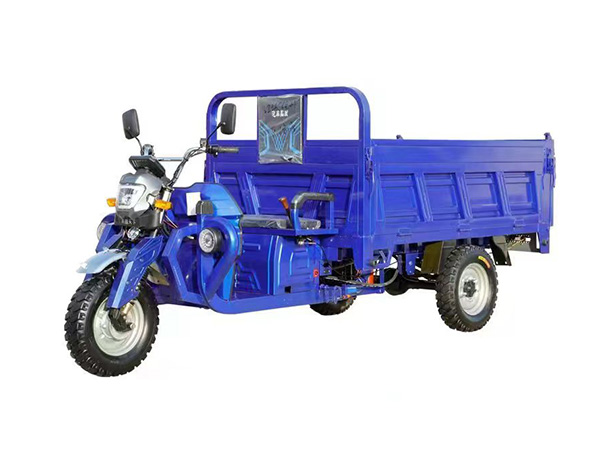
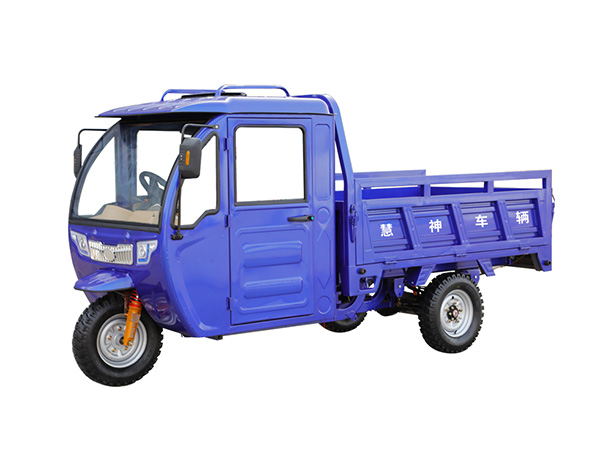
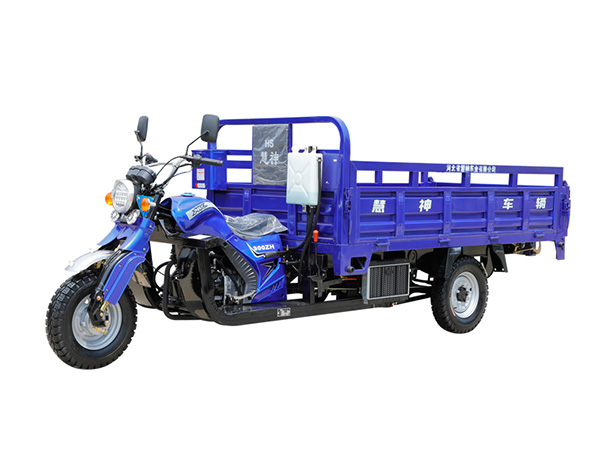
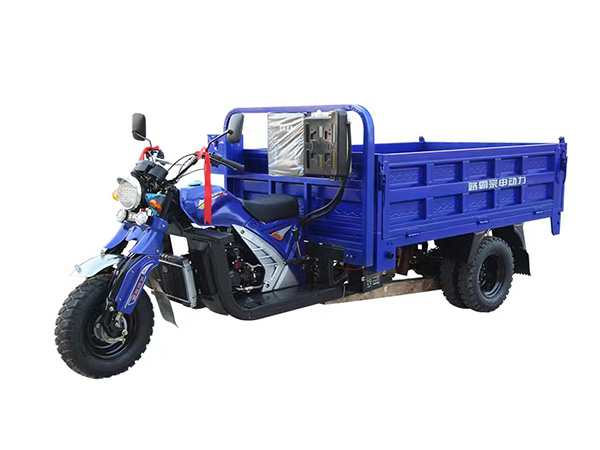
Flatbed configuration: Ideal for building materials, equipment, agricultural produce, long-length goods. Maximum cargo footprint flexibility. Payload: 300–800 kg.
Refrigerated box: Ideal for food delivery, fresh produce, temperature-sensitive pharmaceuticals. Requires electric refrigeration unit ($800–$2,000 additional). Complies with cold chain requirements for perishable goods.
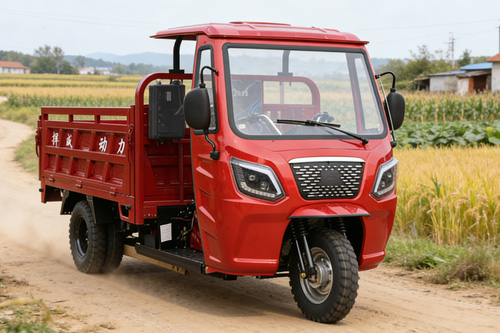
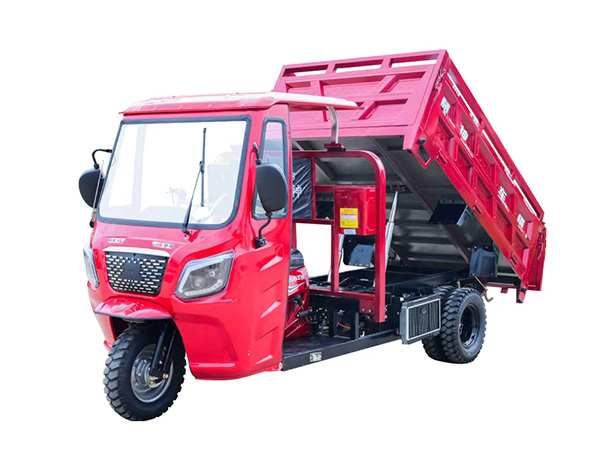
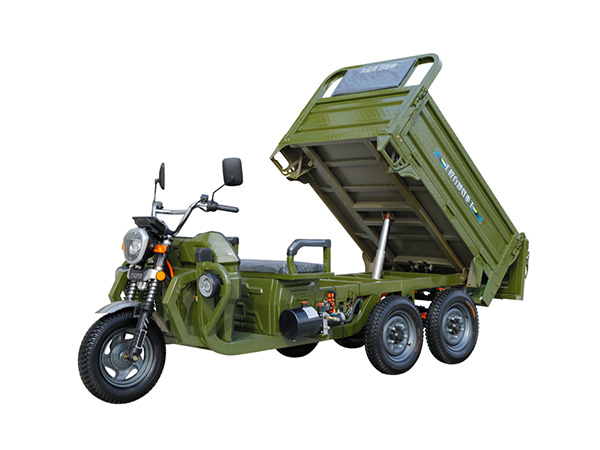
Dump bed configuration: Ideal for construction supply, waste removal, agricultural processing. Gravity-assisted unloading eliminates manual labor for bulk materials. Payload: 300–700 kg.
Business buyers should select configurations based on their dominant cargo type—and budget 10–15% of vehicle cost for customization of bed systems, branding wraps, and accessory mounting to maximize operational utility.
Regulatory Landscape: How Commercial Tricycles Navigate Business Compliance
The regulatory treatment of commercial tricycles varies by jurisdiction but consistently favors adoption. In the EU, pedal-assist commercial tricycles (≤250 W motor, cutoff at 25 km/h) are classified as bicycles, exempt from vehicle registration, road tax, and commercial driver licensing. In the UK, the same vehicles are exempt from Vehicle Excise Duty and do not require a driving license to operate. In the US, the classification is state-dependent, but most states treat human-powered and low-speed electric tricycles as bicycles for purposes of road use. For businesses, this regulatory framework means: faster fleet deployment (no registration delays), lower administrative overhead, and no driver qualification requirements. Verify local classification with municipal transport authorities for vehicles intended to operate on public roads at higher speeds or with larger motors.
Business Case: Calculating ROI for Commercial Tricycle Investment
A concrete ROI calculation for a commercial tricycle for business deployment illustrates the financial logic. Scenario: a mid-size restaurant delivery operation replacing 2 van deliveries per shift with 4 tricycle deliveries in a 3 km radius.
Investment: 4 electric-assist commercial tricycles at $3,000 each = $12,000 total.
Annual cost savings: Reduced van fuel/maintenance ($4,800/year), reduced insurance ($1,200/year), reduced vehicle duty ($600/year) = $6,600/year savings.
Revenue uplift: 4 additional deliveries per shift × 300 operating days × $8 margin per delivery = $9,600/year additional revenue from expanded capacity.
Total annual benefit: $16,200.
Payback period: 12,000 / 16,200 = 0.74 years (under 9 months).
Even with conservative assumptions—a single delivery van replacement, minimal traffic advantage—the commercial tricycle for business ROI exceeds 90% in year one and compounds through year two and three as the vehicle operates with minimal ongoing cost beyond electricity and basic maintenance.
Fleet Management and Maintenance Planning for Commercial Operations
Deploying commercial tricycles at business scale requires a structured fleet management approach. Key elements include: a preventive maintenance schedule (weekly pressure checks and chain lubrication; monthly component inspections; quarterly drivetrain service), a vehicle tracking system (GPS trackers at $30–$80/unit enable route optimization and delivery confirmation), a spare parts inventory (stock one complete drivetrain kit and two sets of brake pads per 5 vehicles), and operator training covering load management, braking technique, and stability awareness under load. Businesses that implement structured fleet management for commercial tricycles report vehicle service life of 8–12 years with consistent throughput performance, while ad-hoc operations typically see 20–30% higher maintenance costs and 15–25% shorter service life.
Frequently Asked Questions
What is the typical ROI timeline for commercial tricycle investment?
Most commercial tricycle for business deployments achieve full payback within 6–18 months depending on utilization rate, payload frequency, and whether the tricycle replaces or supplements existing vehicles. High-frequency operations (30+ trips per day) typically see payback in 4–8 months. Lower-frequency operations (10–15 trips per day) typically achieve payback in 12–18 months. After payback, ongoing operating costs are so low ($30–$120/year in energy) that the vehicle generates pure cost savings for its remaining 6–10 year service life.
Are commercial tricycles suitable for all business types?
Commercial tricycles are best suited for businesses with: payloads under 500 kg per trip, operating radius of 5 km or less (or 15 km with electric assist), mixed urban environments including pedestrian zones or narrow streets, and cargo types that fit within the vehicle's dimensional envelope. They are less suitable for: high-value cargo requiring armored enclosures, routes exceeding 20 km one-way, and operations requiring simultaneous transport of multiple pallets or bulk loads exceeding 800 kg.
How do I choose between manual and electric-assist commercial tricycles?
Choose manual commercial tricycles for flat routes under 2 km with payloads under 300 kg, where maintenance simplicity is paramount and operator fitness is reliable. Choose electric-assist for: payloads of 300–700 kg, routes with grades exceeding 5%, operating distances of 5–15 km, and operations where multiple trips per shift create cumulative operator fatigue. The $800–$2,000 premium for electric assist typically pays back within 12–18 months through increased operator productivity and reduced fatigue-related errors.
What branding and customization options are available for commercial tricycles?
Most manufacturers offer: full-color vinyl wraps (2–3 day lead time, $200–$600 per vehicle), custom cargo box dimensions and configurations, company logo integration on frame and box panels, LED lighting upgrades for visibility, and accessory rails for customer-facing signage. For a fleet of 10–20 vehicles, the total customization budget typically runs $3,000–$8,000—a cost that pays back rapidly through the brand visibility commercial tricycles generate in pedestrian and urban environments where van advertising is invisible.
Conclusion
The strategic case for commercial tricycles for business growth is built on three pillars: compelling cost economics (60–80% lower TCO than vans, 9–18 month payback), revenue enablement (access to markets and delivery windows that vans cannot reach), and operational differentiation (ESG credentials, delivery speed in dense environments, regulatory advantage). For businesses whose operational profile fits within the commercial tricycle payload and range envelope—which encompasses a surprisingly wide range of urban delivery, intra-facility transport, and last-mile logistics tasks—the data supports immediate deployment. The businesses that move first will capture the cost advantage, establish operational competency, and build the fleet management capabilities that become barriers to competition as regulatory and environmental pressures make commercial tricycles mandatory rather than optional in urban logistics markets.
References
European Cyclists' Federation, "Cargo Bike and Trike Business: Market Analysis and Growth Potential," ECF Policy Paper, 2023.
McKinnon, A.C. and Ge, Y.L., "The Use of Cargo Bikes in Urban Retail Distribution," Transportation Research Part A: Policy and Practice, vol. 130, pp. 171–181, 2019.
European Commission, "EU Urban Logistics: Low-Emission Vehicles and City Access Restrictions," EU Transport Research Bulletin, 2022.
Scholliers, J. and Braber, L., "Business Models for Cargo Bike and Trike Logistics: A European Survey," Research in Transportation Business & Management, vol. 35, p. 100657, 2020.
Dablanc, L. et al., "How Crowded Are Cities? Urban Freight Traffic and Delivery Space in Major Metropolises," Journal of Transport Geography, vol. 88, p. 102859, 2020.

Contact Us
Tel:8615713172715 / 8619061777149
WeChat:8615713172715 / 8619061777149
E-mail:942778859@qq.com
Url:https://www.duomitricycle.com