







- Site Navigation -
Cargo Tricycles for Small Business Logistics
Author:duomi Date:2026-05-09 10:56:08 Hits:112
Structural Design Defines Functional Capability in Urban Logistics
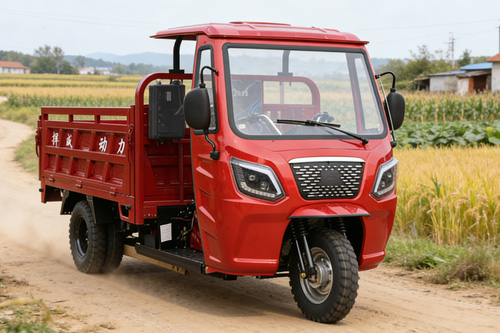
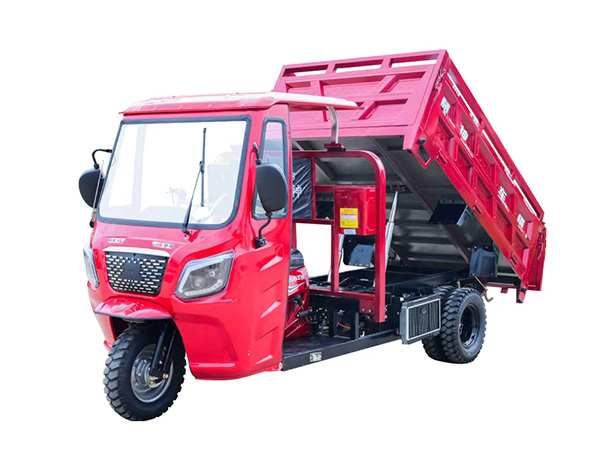
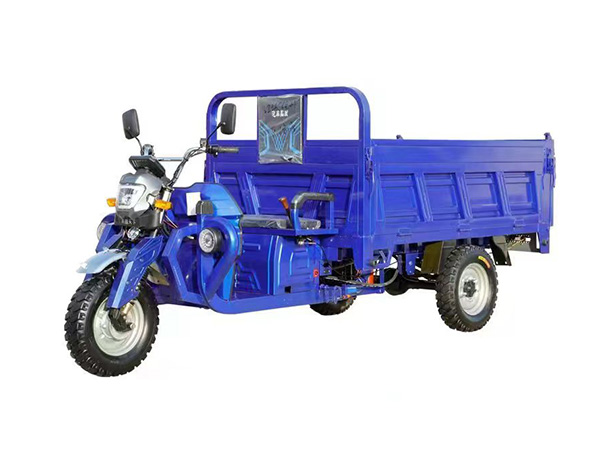
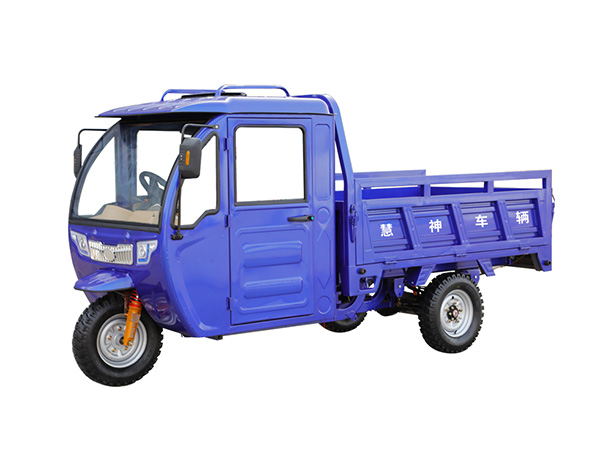
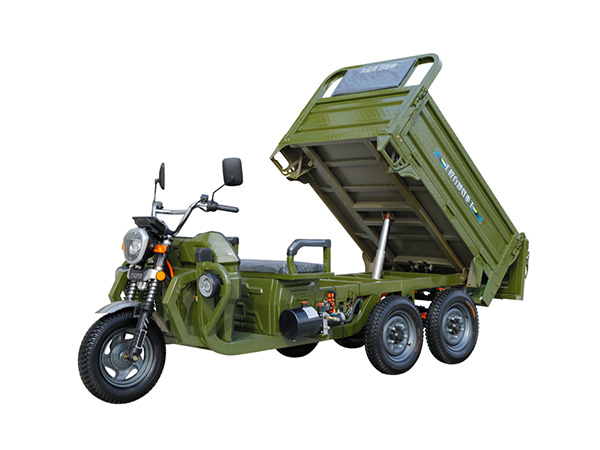
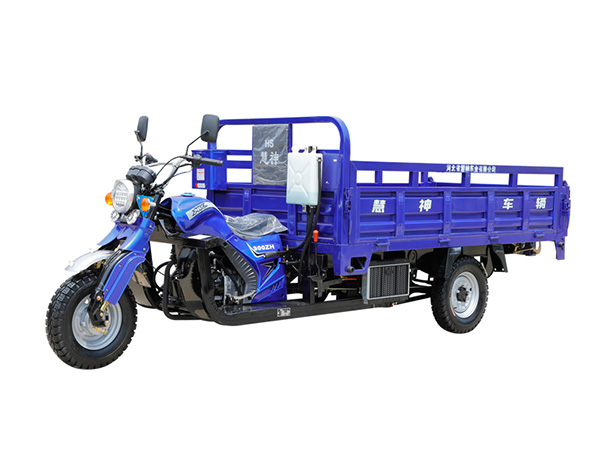
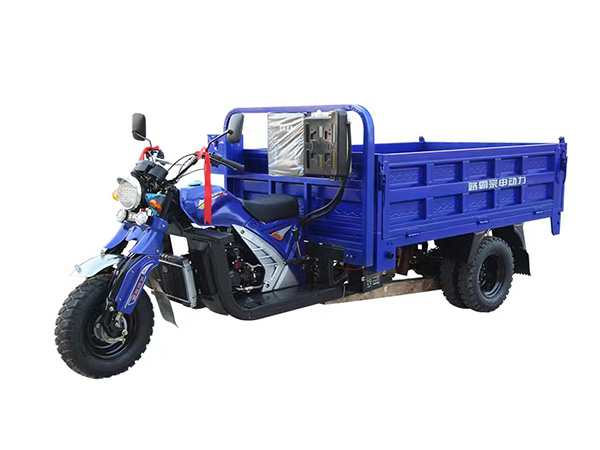
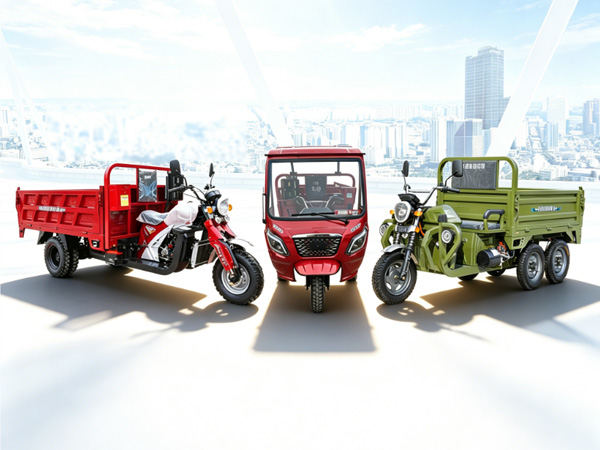
A Cargo Tricycle is a three-wheeled light commercial vehicle designed specifically for short-distance freight transport. Its structural configuration typically includes a reinforced front steering assembly, a rear cargo platform, and a load-bearing chassis designed to maintain stability under variable payload conditions. Unlike conventional light trucks, cargo tricycles prioritize maneuverability and operational efficiency in congested urban environments.
Three-Wheel Configuration Enhances Urban Maneuverability
The three-wheel layout provides a critical advantage in dense city environments where road space is limited. The compact turning radius allows operators to navigate narrow streets, alleyways, and crowded marketplaces. This makes cargo tricycles particularly effective for last-mile delivery operations where larger vehicles face accessibility constraints.
Electric Drive Systems Improve Operational Economics
Modern Cargo Tricycles increasingly adopt electric drivetrains, replacing traditional internal combustion engines. Electric versions reduce fuel consumption, lower maintenance costs, and eliminate direct emissions. Battery systems are typically optimized for short-range delivery cycles, making them suitable for daily urban logistics routes with predictable distances.
Payload Capacity Balances Efficiency and Stability
Cargo tricycles are engineered to carry moderate loads while maintaining structural balance. The distribution of weight across the rear axle is carefully designed to prevent tipping during acceleration, braking, and turning. Engineers optimize frame geometry and suspension stiffness to ensure safe operation under full load conditions.
Small Business Logistics Depend on Cost Efficiency
One of the primary reasons for widespread adoption of cargo tricycles is their low operational cost. For small and medium-sized enterprises, these vehicles provide an affordable alternative to vans or trucks. Lower acquisition cost, reduced energy consumption, and minimal maintenance requirements make them highly attractive for budget-sensitive logistics operations.
Urban Delivery Networks Rely on Last-Mile Flexibility
In modern supply chains, last-mile delivery represents the most complex and cost-intensive stage. Cargo tricycles are increasingly integrated into urban logistics networks to bridge this gap. Their ability to access restricted areas and operate in traffic-congested zones significantly improves delivery efficiency.
Maintenance Simplicity Reduces Downtime Risk
Cargo tricycles are mechanically simpler than larger commercial vehicles. Electric models further reduce mechanical complexity by eliminating engine-related components such as fuel systems and transmissions. This simplicity translates into lower maintenance frequency and reduced downtime, which is critical for small business operations.
Energy Efficiency Supports Sustainable Logistics Models
Electric Cargo Tricycles contribute to reduced carbon emissions in urban transportation systems. As cities implement stricter environmental regulations, these vehicles provide a compliant solution for eco-friendly logistics. Their low energy consumption aligns with global sustainability targets in urban freight systems.
Integration with E-Commerce Expands Market Demand
The rapid growth of e-commerce has significantly increased demand for compact delivery vehicles. Cargo tricycles are widely used for parcel distribution, grocery delivery, and small-scale retail logistics. Their ability to complete frequent short trips efficiently makes them ideal for high-density order fulfillment systems.
Load Optimization Improves Operational Safety
Proper load distribution is essential for safe operation. Overloading can negatively impact braking distance, steering response, and vehicle stability. Manufacturers define strict payload limits and recommend balanced loading practices to ensure safe and efficient operation.
Cost Structure Makes Entry-Level Logistics Accessible
From a business perspective, cargo tricycles lower the barrier to entry in the logistics industry. Entrepreneurs can start delivery services with relatively low capital investment compared to traditional freight vehicles. This accessibility supports micro-entrepreneurship and local delivery ecosystems.
Regional Adaptation Expands Global Usage
Cargo tricycles are widely used across Asia, Africa, and Latin America, where urban density and economic conditions favor low-cost transportation solutions. In each region, design variations reflect local infrastructure, regulatory requirements, and operational needs.
Technological Upgrades Improve Performance Capabilities
Recent developments include GPS tracking, smart battery management systems, and digital fleet monitoring. These technologies enhance route optimization, energy efficiency, and operational transparency, bringing cargo tricycles closer to modern logistics standards.
Future Outlook: Electrification and Smart Logistics Integration
The future of cargo tricycles lies in deeper integration with smart logistics systems. As electrification expands and urban delivery demand increases, these vehicles are expected to play a larger role in decentralized logistics networks.
Cargo Tricycle
References
Rodrigue, J.P. The Geography of Transport Systems
Dablanc, L. Urban Freight Transport and Logistics
Allen, J. et al. Urban Logistics: Management, Policy and Innovation

Contact Us
Tel:8615713172715 / 8619061777149
WeChat:8615713172715 / 8619061777149
E-mail:942778859@qq.com
Url:https://www.duomitricycle.com