







- Site Navigation -
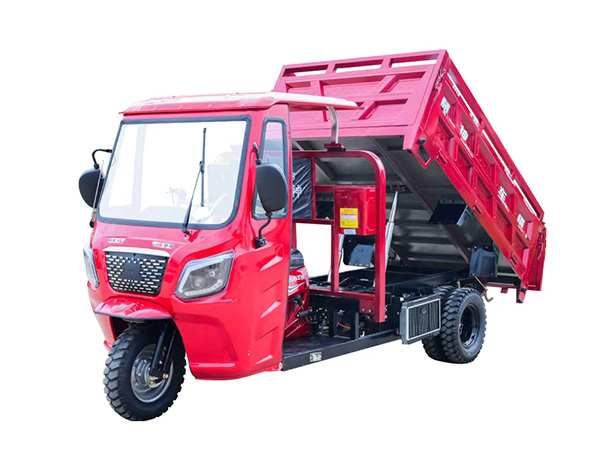
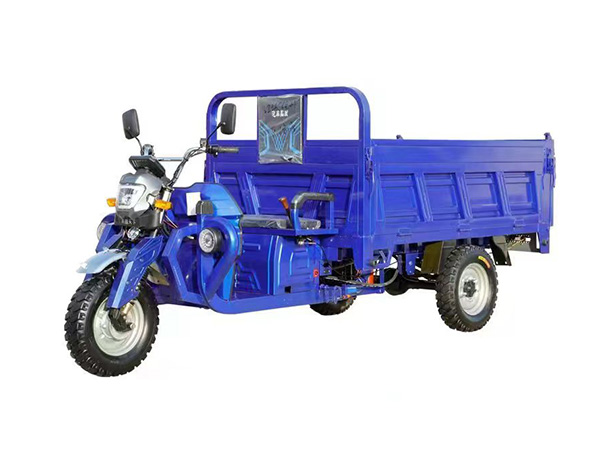
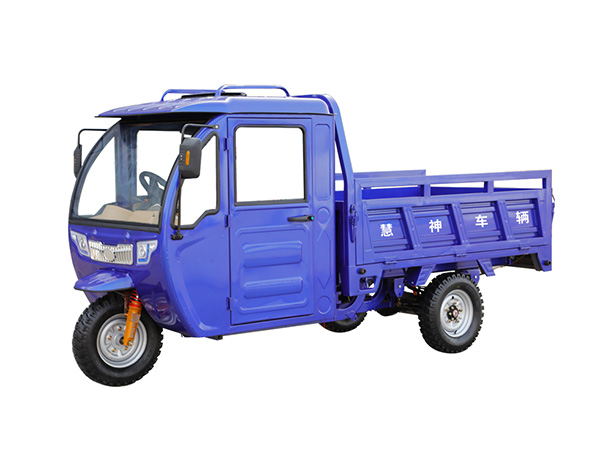
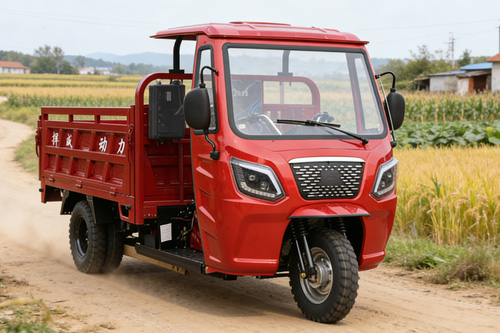
Benefits of Electric Dump Tricycles: Performance, Cost, and Environmental Analysis
Author:duomi Date:2026-07-20 14:18:47 Hits:171
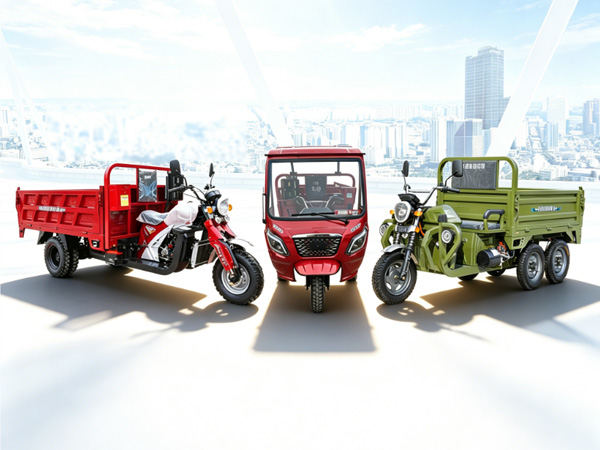
The electric dump tricycle represents the convergence of two high-value vehicle technologies: the cargo tricycle platform (proven for last-mile logistics and site transport) and the electric powertrain (zero emissions, low operating cost, quiet operation). For bulk material handling applications—construction aggregates, agricultural produce, waste and recycling, and industrial byproducts—the benefits of electric dump tricycles extend well beyond environmental compliance. This analysis quantifies the performance, economic, and operational advantages of electric dump trikes across their primary application sectors, providing B2B buyers with the data needed to evaluate whether electrification aligns with their material handling requirements and total cost of ownership targets.
Zero-Emission Bulk Material Handling: The Environmental Case
The most prominent electric dump tricycle benefit is zero direct emissions during operation. A gasoline or diesel dump trike with a 110–150 cc engine emits 65–95 g CO₂ per kilometer, plus CO, NOx, and particulate matter that affect operator health and indoor air quality. An electric dump tricycle produces 0 g direct emissions, making it suitable for enclosed or semi-enclosed operating environments—warehouses, factories, underground parking structures, and greenhouse operations—where internal combustion vehicles are prohibited or require expensive ventilation systems. For businesses with corporate sustainability targets or operating in jurisdictions with carbon pricing, the electric dump tricycle provides quantifiable Scope 1 and Scope 2 emission reductions that support ESG reporting and compliance with urban low-emission zone regulations that increasingly restrict internal combustion vehicles from commercial use in city centers.
Operating Cost Advantage: Energy, Maintenance, and Labor
The benefits of electric dump tricycles include a compelling operating cost profile. Energy cost for an electric dump tricycle with a 48V/20Ah battery is $0.006–$0.018 per kilometer (based on industrial electricity rates of $0.08–$0.12 per kWh and consumption of 8–15 Wh per kilometer under 300–500 kg load). A gasoline dump trike consumes 1.5–2.5 L per 100 km, costing $0.10–$0.20 per kilometer. Over a 50,000 km service life, the energy cost difference reaches $4,000–$9,000 per vehicle. Maintenance costs favor electric models by 60–80% annually: no oil changes, no spark plugs, no air filters, no fuel system service. The primary electric drivetrain maintenance items are: chain lubrication and adjustment (if chain-driven), brake pad inspection, tire pressure monitoring, and battery health check. The cumulative 5-year operating cost advantage of an electric dump tricycle over a gasoline equivalent is $5,000–$12,000 per vehicle, depending on local energy and labor rates.
Dump Mechanism Performance: Electric vs Manual Actuation
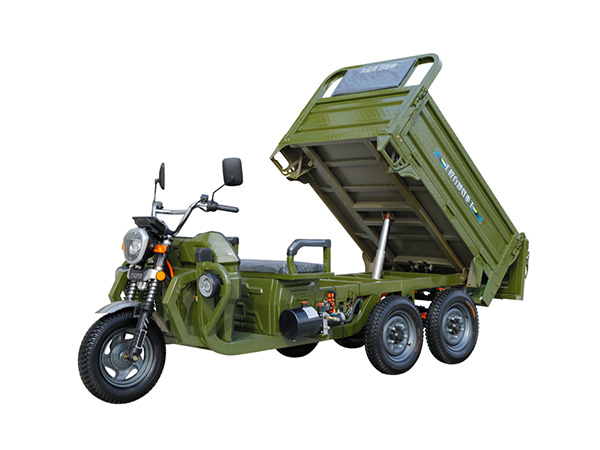
The dump function is the defining productivity feature of a dump tricycle. On an electric dump tricycle, the dump mechanism can be: manual lever-actuated (suitable for loads up to 300–400 kg), or electric-hydraulic actuated (using a 12V or 48V hydraulic power unit to tip loads up to 600–800 kg). Electric-hydraulic actuation reduces operator unloading effort by 80–90% compared to manual lever systems and enables controlled, partial tipping for precise material placement—valuable for construction applications requiring metered aggregate or soil discharge. The electric-hydraulic system draws power from the vehicle's main battery (48V systems) or a dedicated 12V auxiliary battery, consuming 50–100 Wh per full dump cycle. For a vehicle performing 20–30 dump cycles per shift, the energy consumption for electric-hydraulic actuation adds 5–10% to total energy use—a negligible increment relative to the productivity and ergonomics benefits.
Indoor and Enclosed Environment Operation
A distinctive electric dump tricycle benefit is seamless indoor-outdoor operation without ventilation or emission concerns. In warehouse and factory environments, internal combustion dump trikes cannot operate due to CO and NOx emissions (OSHA permissible exposure limit for CO is 50 ppm over 8 hours; a small gasoline engine in an enclosed space exceeds this within 5–10 minutes of operation). An electric dump tricycle operates indefinitely in enclosed spaces without air quality degradation, enabling: indoor construction material transport, factory floor scrap and waste removal, greenhouse and nursery material handling, and underground parking structure or basement-level construction material distribution. For businesses operating in mixed indoor-outdoor environments, the electric dump tricycle eliminates the need for separate indoor and outdoor material handling vehicles, reducing fleet complexity and capital requirements.
Noise Reduction and Community Impact
An electric dump tricycle operates at 45–55 dB at typical working speed (8–15 km/h), compared to 70–85 dB for a gasoline dump trike. This 20–30 dB reduction translates to a 75–90% reduction in perceived noise intensity, enabling operation in noise-sensitive environments: residential areas during early morning or evening hours, hospitals and schools, historic districts with noise ordinances, and mixed-use urban developments. Municipal waste collection operations using electric dump tricycles in pedestrian zones and residential areas report 40–60% reductions in noise complaints compared to gasoline-powered collection vehicles. For businesses where community relations and noise ordinance compliance affect operating permits or contracts, the electric dump tricycle benefit is both qualitative and financially material.
Battery Lifecycle and Replacement Planning for Dump Applications
The battery pack is the primary life-cycle cost item for an electric dump tricycle. Dump cycle operation—frequent stopping, hydraulic actuation, and varied load weights—places different demands on the battery compared to steady-speed delivery operation. Modern lithium iron phosphate (LiFePO4) batteries rated for 2,000+ cycles retain 70–80% capacity after 4–6 years of daily commercial dump cycle use. Replacement cost is $300–$800 per pack depending on capacity. Lead-acid batteries are $150–$300 but last only 300–500 cycles and add 15–25 kg of weight that reduces available payload. For dump cycle applications with frequent starting and stopping, lithium batteries also provide more consistent voltage under high-current draw (hydraulic pump startup, hill climbing with load), maintaining performance that lead-acid batteries cannot sustain. Budget battery replacement as a scheduled 4–5 year maintenance item, not an unexpected failure.
Frequently Asked Questions
What are the main benefits of electric dump tricycles compared to gasoline models?
The primary benefits of electric dump tricycles are: 85–90% lower energy cost per kilometer, 60–80% lower annual maintenance cost, zero direct emissions for indoor and enclosed environment operation, 75–90% noise reduction for noise-sensitive areas, and eligibility for urban low-emission zone access. The 5-year TCO advantage is $5,000–$12,000 per vehicle in favor of electric models for typical urban and site applications.
How does the electric dump mechanism perform under heavy loads?
Electric-hydraulic dump mechanisms on electric dump tricycles handle loads up to 600–800 kg reliably, with tipping angles of 50–70° and cycle times of 15–30 seconds per dump. The system draws from the vehicle's main battery and consumes 50–100 Wh per full dump cycle. For loads exceeding 800 kg, verify that the hydraulic pump is sized for the maximum load and that the vehicle's GVWR accommodates the combined weight of the load, operator, and hydraulic system.
Can electric dump tricycles operate in construction site conditions?
Yes, with appropriate specifications. An electric dump tricycle for construction sites should have: 26-inch wheels with 6-ply tires, ground clearance ≥150 mm, full chain and component enclosure with debris shielding, sealed electrical connectors (IP65 rating), and a reinforced frame with gusseted joints. With these specifications, electric dump trikes achieve 6–8 years of service life in daily construction site operation, equivalent to gasoline models but with lower operating cost and noise.
How long does the battery last on an electric dump tricycle per charge?
A 48V/20Ah lithium battery provides 40–60 km range or 15–25 full dump cycles per charge (whichever limit is reached first) under typical load conditions. For operations requiring more than 25 dump cycles per shift, budget for a spare battery pack ($300–$600) or specify a higher-capacity battery (48V/30–40 Ah, +$200–$400). Overnight charging from a standard 240 V outlet fully recharges the battery in 4–6 hours.
Conclusion
The benefits of electric dump tricycles are quantifiable across economic, environmental, and operational dimensions. For businesses whose material handling profile fits within the vehicle's payload (300–800 kg) and range (40–60 km per charge) envelope, the electric dump tricycle delivers 40–60% lower total cost of ownership over 5 years, zero-emission operation for indoor and regulated urban environments, 75–90% noise reduction, and elimination of engine-related maintenance. The payback period on the typical $600–$1,500 purchase price premium over gasoline models is 12–18 months in typical commercial use. As battery costs continue to decline (8–12% per year) and urban emission regulations tighten, the economic and regulatory case for the electric dump tricycle strengthens annually. For B2B buyers with 3–5 year planning horizons, electrification of dump tricycle fleets is a future-proof investment with rapid, measurable returns.
References
International Energy Agency, "Global EV Outlook 2024: Electric Two- and Three-Wheelers Market Analysis," IEA, 2024.
Quarles, N. and Kockelman, K.M., "Electric vs. Gasoline Powered Cargo Trikes for Last-Mile Delivery: A Lifecycle Assessment," Transportation Research Part D: Transport and Environment, vol. 95, 2022.
Bieker, G., "The CO₂ Reduction Potential for Urban Logistics by Using Electric Cargo Bikes and Tricycles," International Council on Clean Transportation, Working Paper, 2021.
Weiss, M. et al., "On the Electrification of Road Transport—Learning Rates and Cost Reductions for Electric Vehicles," Energy Policy, vol. 168, 2022.
Hao, H. et al., "Total Cost of Ownership for Electric Vehicles in China," Applied Energy, vol. 254, 2019.

Contact Us
Tel:8615713172715 / 8619061777149
WeChat:8615713172715 / 8619061777149
E-mail:942778859@qq.com
Url:https://www.duomitricycle.com