







- Site Navigation -
Benefits of Electric Cargo Tricycles for Delivery: A Smart Solution for Urban Logistics
Author:duomi Date:2026-05-12 13:39:28 Hits:111
Why Electric Cargo Tricycles Are Transforming Urban Delivery
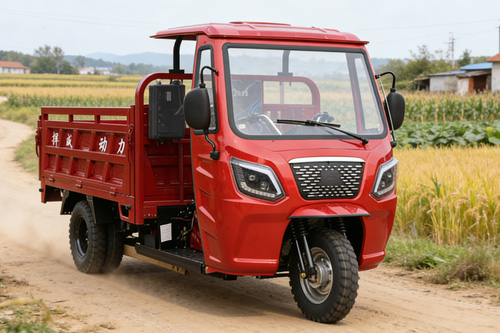
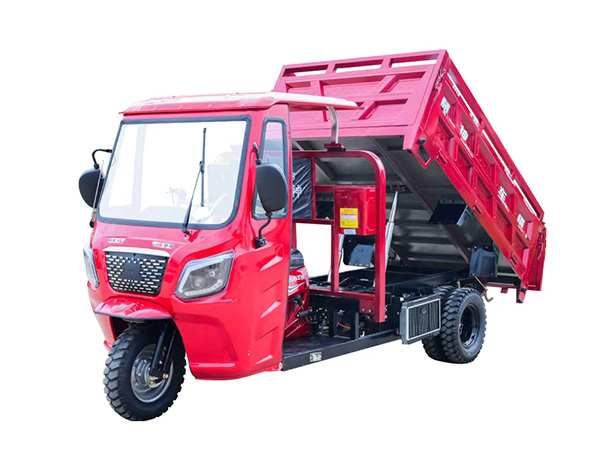
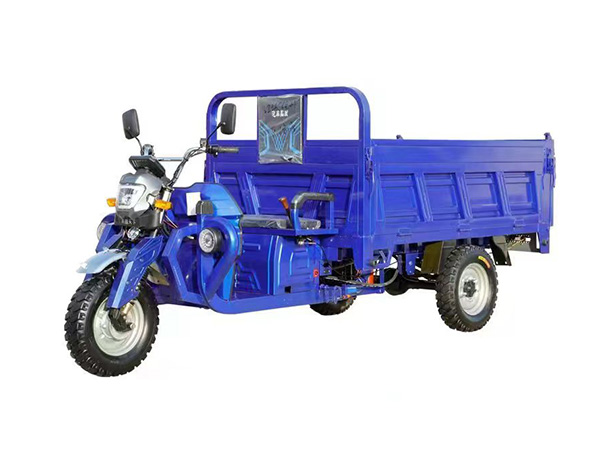
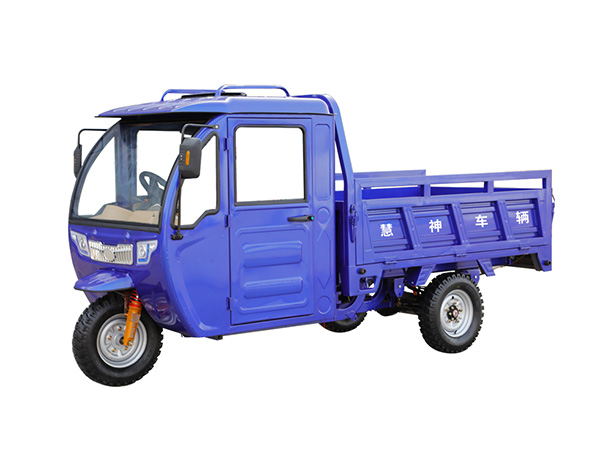
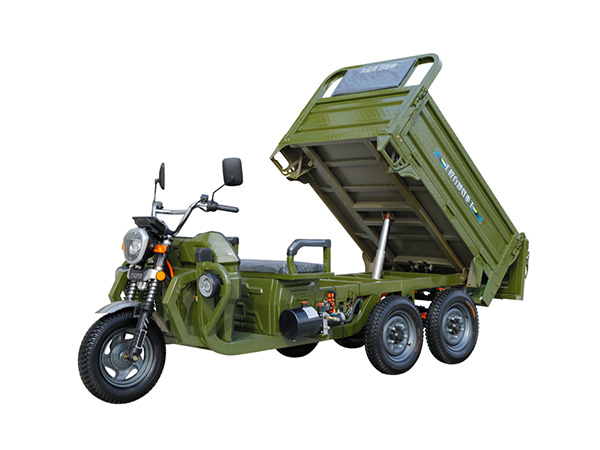
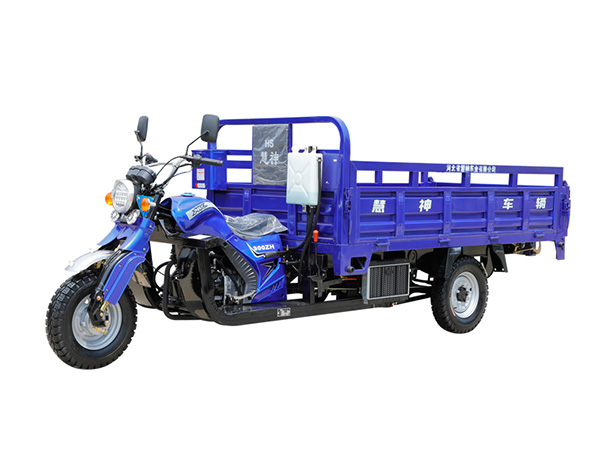
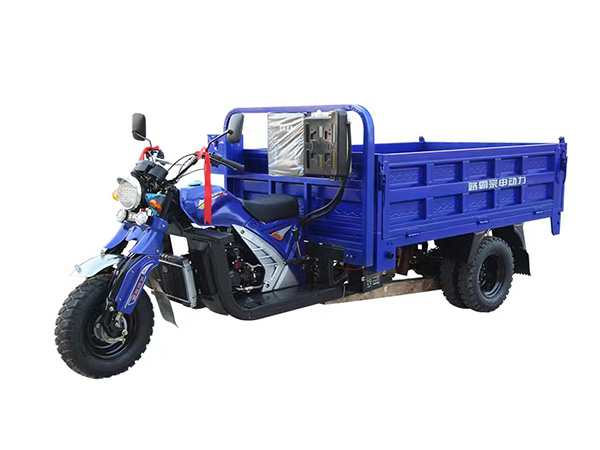
The rapid expansion of e-commerce and same-day shipping has forced logistics companies to search for more efficient transportation methods. An Electric Cargo Tricycle has become one of the most practical solutions for urban delivery operations because it combines compact mobility with sufficient cargo capacity. Unlike traditional fuel-powered vans, electric tricycles can move through narrow streets, crowded districts, and restricted urban zones more effectively.
Modern cities are also introducing stricter environmental regulations, making low-emission transportation increasingly important. Delivery companies that adopt electric transport systems can reduce operational restrictions while improving their sustainability image. This transition is especially noticeable in densely populated areas where traffic congestion significantly impacts delivery schedules.
Lower Operating Costs Compared to Traditional Vehicles
One of the major advantages of using an Electric Cargo Tricycle is the reduction in operating expenses. Fuel costs continue to fluctuate globally, creating uncertainty for delivery businesses. Electric-powered systems eliminate gasoline expenses and significantly lower energy consumption costs.
Maintenance requirements are also simpler. Electric drivetrains contain fewer moving components than internal combustion engines, reducing wear-related failures. Businesses spend less on oil changes, engine repairs, exhaust systems, and transmission maintenance. Over time, this lower maintenance profile contributes to a reduced total cost of ownership.
Fleet managers often calculate logistics performance based on cost per kilometer. Electric cargo tricycles consistently demonstrate strong economic performance in short-distance urban distribution networks.
Improved Maneuverability in Congested Cities
Urban logistics frequently suffer from traffic bottlenecks and limited parking availability. Traditional delivery trucks are often inefficient in crowded commercial districts. An Electric Cargo Tricycle provides better maneuverability because of its compact structure and smaller turning radius.
Drivers can navigate through tight alleys, residential communities, and busy marketplaces more efficiently. This improves delivery speed and reduces delays caused by traffic congestion. In many Asian and European cities, electric tricycles are increasingly used for last-mile delivery because they can access locations where larger commercial vehicles face restrictions.
Smaller vehicle dimensions also improve parking flexibility. Drivers can complete deliveries without occupying large loading spaces, reducing urban traffic pressure and improving operational efficiency.
Environmental Benefits of Electric Cargo Tricycles
Sustainability has become a critical factor in modern transportation planning. Companies are under increasing pressure to reduce carbon emissions and improve environmental responsibility. An Electric Cargo Tricycle helps businesses meet sustainability goals by producing zero direct exhaust emissions during operation.
Compared with diesel-powered delivery vehicles, electric tricycles significantly reduce air pollution and noise levels. This makes them suitable for residential delivery routes, hospitals, schools, and environmentally sensitive urban areas.
Governments in many countries are encouraging electric commercial transportation through subsidies, tax incentives, and low-emission transportation policies. Businesses that transition to electric delivery fleets may benefit from long-term regulatory advantages and stronger public perception.
Research on sustainable transportation systems also highlights the importance of lightweight electric mobility platforms in reducing urban pollution and energy consumption.
Cargo Capacity and Commercial Flexibility
Despite their compact appearance, many electric cargo tricycles offer impressive loading capacity. Manufacturers design these vehicles with reinforced chassis systems and optimized cargo compartments to support commercial transportation needs.
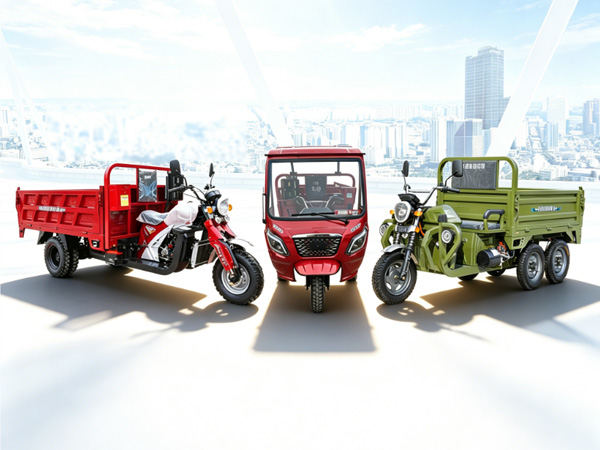
Different cargo configurations allow businesses to adapt vehicles for food delivery, parcel transportation, cold-chain logistics, construction materials, and retail distribution. Some models include enclosed cargo boxes for weather protection, while others provide open cargo platforms for oversized items.
Commercial flexibility is one reason why small businesses and local distributors increasingly choose electric cargo tricycles over larger delivery vehicles. The ability to customize cargo areas improves operational efficiency across multiple industries.
Battery Efficiency and Charging Advantages
Battery technology improvements have significantly enhanced the practicality of the Electric Cargo Tricycle. Modern lithium battery systems provide longer operating ranges, shorter charging times, and improved durability compared to earlier battery generations.
Many delivery routes involve predictable daily distances, making electric charging schedules easier to manage. Overnight charging allows fleets to operate continuously during daytime delivery cycles without major interruptions.
Battery management systems also improve operational safety by regulating charging temperature, voltage stability, and power output. Businesses can optimize fleet performance by selecting battery capacities that match route requirements and delivery frequency.
As charging infrastructure continues to expand globally, electric commercial vehicles are becoming increasingly practical for urban logistics operations.
Safety and Stability for Daily Delivery Operations
Three-wheel vehicle architecture provides better stability than traditional two-wheel delivery motorcycles, especially when transporting heavy cargo. An Electric Cargo Tricycle distributes weight more evenly, reducing rollover risk during low-speed urban driving.
Many commercial models now include hydraulic braking systems, reinforced suspension components, LED lighting systems, and weather-resistant electrical designs. These features improve operational reliability and driver safety during daily transportation activities.
Stable cargo transportation is particularly important for fragile goods, food products, and temperature-sensitive deliveries. Better balance and reduced vibration help minimize cargo damage during transit.
Industrial transportation systems also emphasize the importance of secure mechanical connections and pressure-resistant components in commercial applications. Reliable engineering standards contribute significantly to transportation safety and durability.
Why Businesses Are Investing in Electric Cargo Tricycles
The global logistics industry continues to prioritize efficiency, sustainability, and cost reduction. An Electric Cargo Tricycle addresses all three requirements simultaneously by offering lower operating costs, improved urban mobility, and environmentally friendly transportation.
Small businesses benefit from reduced investment costs compared to commercial vans, while large logistics companies use electric tricycles to improve last-mile delivery efficiency. As battery technology, charging infrastructure, and urban transportation policies continue to evolve, electric cargo tricycles are expected to play a larger role in modern delivery networks.
For businesses seeking reliable urban transportation solutions, electric cargo tricycles represent a practical long-term investment that balances economic performance with environmental responsibility.
Electric Cargo Tricycle solutions are rapidly becoming an essential component of sustainable urban logistics systems.
References
Tanureza Jaya et al., Industrial Cabling in Constrained Environments, arXiv, 2024.
Thomas Reinsch et al., Simple Feed-Through for Coupling Optical Fibres into High Pressure Systems, arXiv, 2013.
Swagelok Valve Functions Reference
Swagelok Caps and Plugs Technical Reference

Contact Us
Tel:8615713172715 / 8619061777149
WeChat:8615713172715 / 8619061777149
E-mail:942778859@qq.com
Url:https://www.duomitricycle.com