







- Site Navigation -
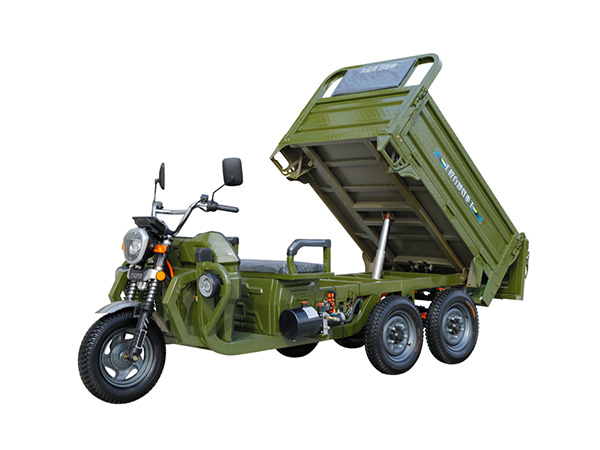
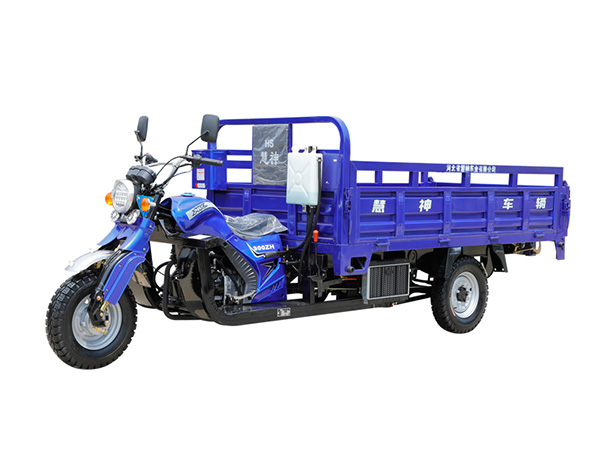
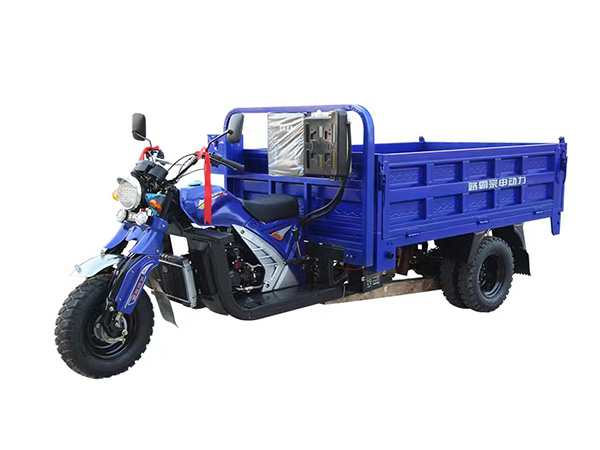
Are gasoline tricycles good for cargo delivery?
Author:duomi Date:2026-04-10 22:04:19 Hits:105
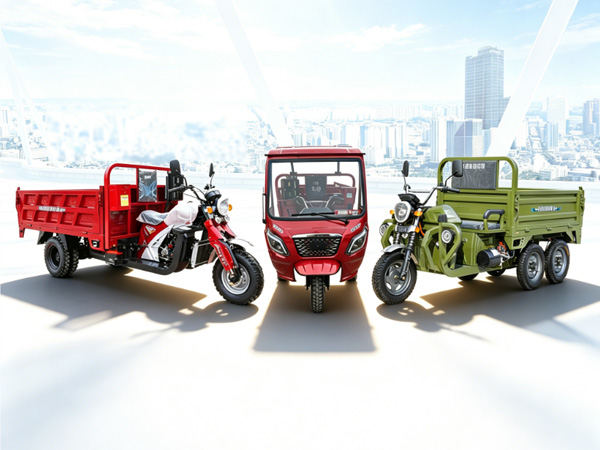
Are gasoline tricycles good for cargo delivery?
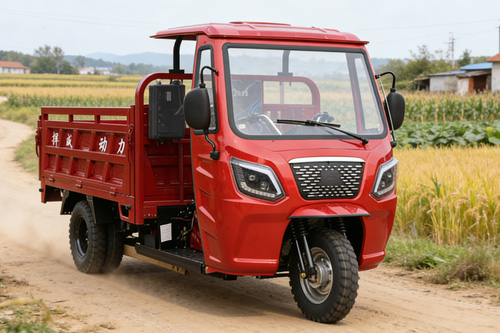
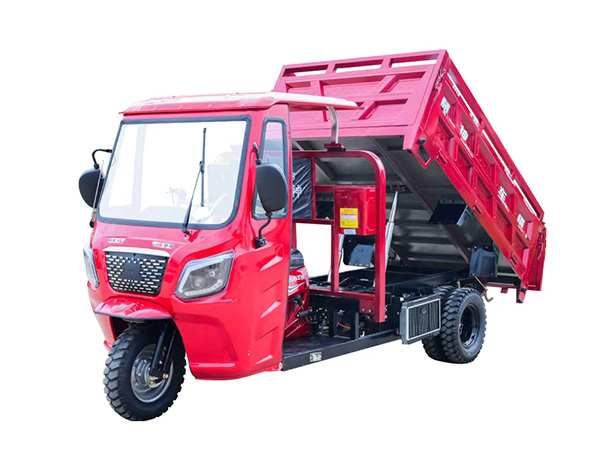
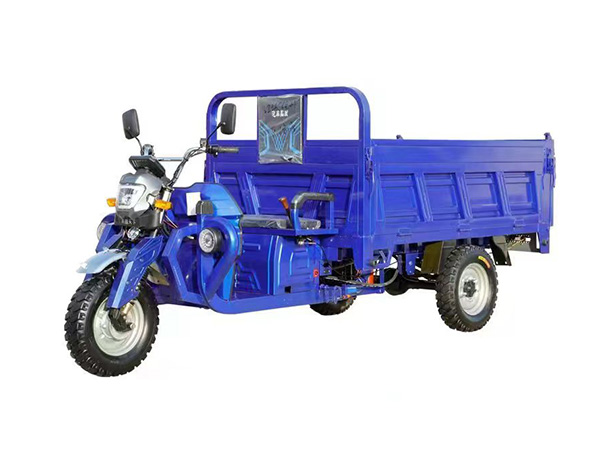
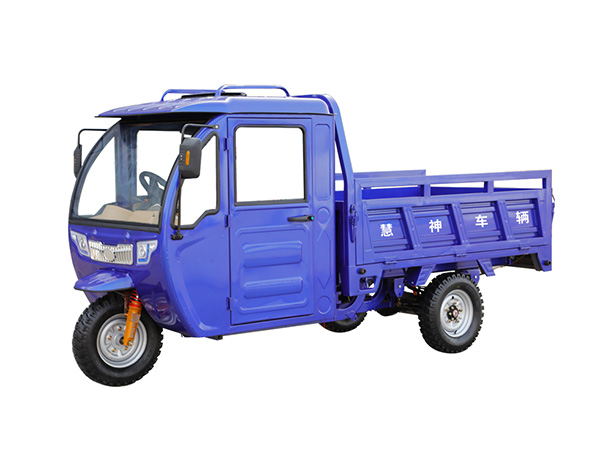
Yes,gasoline tricycles are very good for cargo delivery,especially for heavy loads,long distances,hilly terrain,and rural or semi-rural routes.They are widely regarded as one of the most cost-effective and practical cargo delivery tools in many markets.
Why they work well for cargo delivery
Strong load capacity
They can safely carry 500–1500 kg,much more than most electric tricycles,making them ideal for bulk goods like grain,building materials,groceries,and recyclables.
Unlimited range&quick refueling
No waiting hours to charge—just refuel in minutes and keep delivering all day.Perfect for long routes or areas with no charging infrastructure.
Excellent power on hills
Gasoline engines maintain strong torque even when fully loaded,so they handle slopes,rough roads,and village paths easily without losing speed.
Low operating cost for heavy work
Compared to vans,trucks,or high-power electric tricycles,they have much lower purchase price,fuel cost,and maintenance cost.
Flexible in narrow spaces
Smaller than four-wheel vehicles,they can enter narrow alleys,villages,construction sites,and farm lanes easily.
When they are less ideal
For short-distance urban delivery only(inside cities with strict emission rules)
For ultra-light,small-package delivery where electric tricycles are quieter and cleaner
In summary:
If you need heavy load,long distance,hill climbing,or rural delivery,gasoline tricycles are excellent and highly reliable.
GB/T 7714
Tian,C.,&Zhang,Y.(2024).Applicability of Gasoline Tricycles in Urban and Rural Cargo Delivery.Journal of Logistics and Transportation Equipment,12(2),62–68.
MLA
Tian,Cheng,and Yi Zhang."Applicability of Gasoline Tricycles in Urban and Rural Cargo Delivery."Journal of Logistics and Transportation Equipment,vol.12,no.2,2024,pp.62–68.
APA
Tian,C.,&Zhang,Y.(2024).Applicability of gasoline tricycles in urban and rural cargo delivery.Journal of Logistics and Transportation Equipment,12(2),62–68.

Contact Us
Tel:8615713172715 / 8619061777149
WeChat:8615713172715 / 8619061777149
E-mail:942778859@qq.com
Url:https://www.duomitricycle.com