







- Site Navigation -
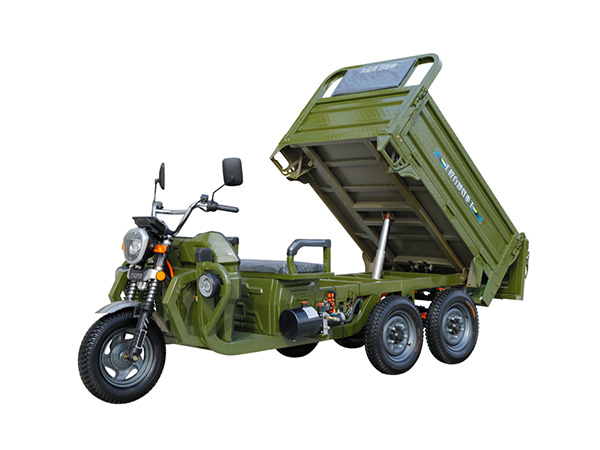
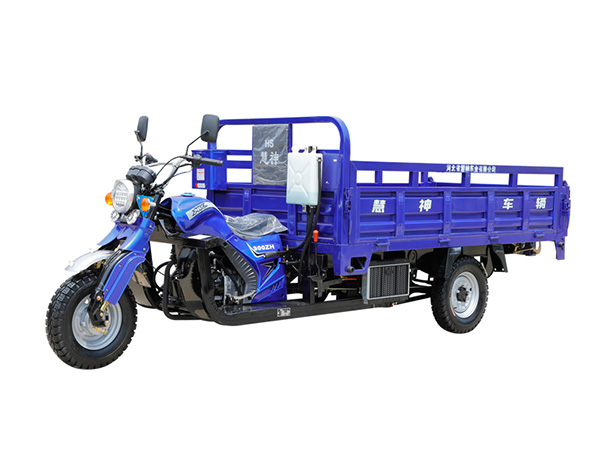
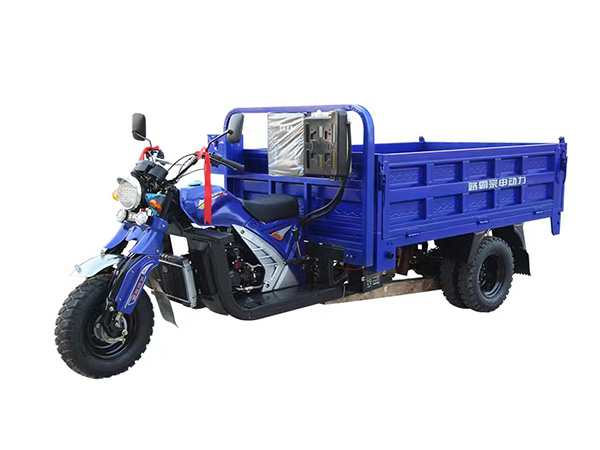
Agricultural Use of Cargo Tricycles: A Practical Guide for Modern Farms
Author:duomi Date:2026-07-16 12:49:18 Hits:176
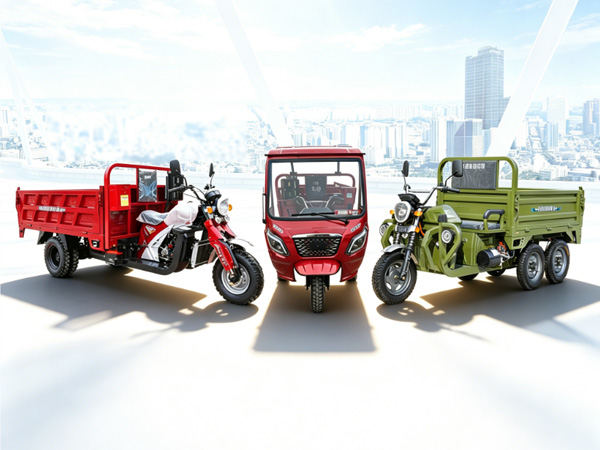
Smallholder farms and medium-scale agricultural operations across Asia, Africa, and Latin America face a persistent post-harvest logistics challenge: moving 200–800 kg of produce from field to collection point, storage, or market quickly enough to prevent spoilage. The farm tricycle has emerged as the most cost-effective mechanized solution for this challenge, replacing head-loading, animal carts, and motorcycles with a purpose-built vehicle that combines load capacity, terrain adaptability, and operating cost economics that smallholders can sustain. This guide documents the agricultural use of cargo tricycles across major crop systems, providing farmers, co-operative managers, and agricultural extension officers with the technical framework to select and deploy these vehicles effectively.
The Post-Harvest Transport Problem on Smallholder Farms
Post-harvest loss rates in developing economies average 30–50% for perishable crops, with transport delay being a primary contributor. Manual head-loading limits individual transport to 20–40 kg per trip at walking speed (3–4 km/h), requiring 10–20 trips to move a single harvest batch of 300–500 kg. A farm tricycle with 300–500 kg payload capacity reduces transport time from 4–6 hours to 30–60 minutes per batch, directly reducing spoilage exposure. Case studies from Rwanda's post-harvest improvement program show that agricultural cargo tricycle deployment reduced produce spoilage from 35% to 12% for smallholder cooperatives, increasing net farmer income by 22–30% per harvest cycle. The vehicle is not merely a transport upgrade—it is a direct income protection mechanism for farming communities.
Crop-Specific Applications: Grains, Vegetables, and Fruit
Different crop systems place distinct demands on a farm tricycle. For grain crops (maize, rice, wheat), the primary requirement is volume capacity (1.0–1.5 m³) with moderate payload (300–500 kg). Grains are typically transported in sacks that stack efficiently, making a flatbed farm tricycle with side rails the optimal configuration. For vegetable crops (tomatoes, cabbage, leafy greens), the requirement is gentle handling and ventilation—specify an open-grid flatbed or ventilated box to prevent crushing and heat buildup. For fruit crops (mangoes, bananas, citrus), the requirement is impact protection—specify a box bed with internal dividers or padded compartments. In all cases, the agricultural cargo tricycle should be specified with a low cargo floor (≤400 mm from ground) to minimize lifting height during loading and unloading, reducing operator fatigue and produce damage.
Terrain Adaptability: The Key to Year-Round Farm Use
Farm access routes range from paved co-operative roads to compacted earth tracks, partially washed-out seasonal paths, and Field-edge tracks that are only passable during dry seasons. A farm tricycle for year-round agricultural use must be specified with: 26-inch wheels with 4–6 ply tires for puncture resistance and load rating, ground clearance ≥150 mm to clear rocks and ruts, a low gear ratio (44T/22T or lower) for climbing grades up to 12–15% with full payload, and a reinforced frame with additional gussetting at the head tube and rear dropout junctions. Electric-assist farm tricycles with 500–750 W motors are increasingly viable for hilly terrain, reducing operator effort on grades and enabling farmers of varying physical capacity to operate the vehicle effectively. For flat terrain with firm access tracks, manual farm tricycles remain the most cost-effective option.
Irrigation and Water Transport Applications
Beyond harvest transport, agricultural cargo tricycles serve critical roles in farm water management. In regions where drip irrigation or sprinkler systems are not yet economically viable, farm tricycles equipped with water tanks (200–500 L capacity) transport water from wells, rivers, or communal taps to Field irrigation points. The tank mount is typically a custom steel frame secured to the flatbed, with a gravity-fed outlet hose for directed watering. For vegetable plots and nursery beds, this water transport function enables supplementary irrigation that increases crop yield by 15–25% compared to rain-fed-only production. The farm tricycle water transport application is particularly valuable for dry-season vegetable production, where the ability to move 200–400 L of water per trip directly determines the viability of high-value crop production.
Farm Equipment and Input Transport
A farm tricycle also serves as a general-purpose equipment transport vehicle, moving: fertilizers and pesticides (in secured, segregated compartments to prevent cross-contamination), farming tools and implements, trellis materials and fencing supplies, and harvested crop processing equipment (threshers, grinders) between co-operative members. For input transport, the agricultural cargo tricycle should be specified with a flatbed and removable side rails, enabling both loose bulk transport and secured equipment transport on the same vehicle. Co-operative deployment models—where a single farm tricycle serves 10–20 member farmers on a rotational schedule—maximize vehicle utilization and distribute the capital cost across multiple beneficiaries, improving the economics for low-income farming communities.
Maintenance in Farm Conditions: Dust, Mud, and Corosion
Agricultural operating environments accelerate component wear through dust ingress, mud exposure, and organic acid corrosion from fertilizers and pesticides. A farm tricycle for agricultural use requires: sealed cartridge bearings throughout (headset, bottom bracket, wheel hubs) to prevent dust and water ingress, a full chain enclosure with debris shielding, stainless steel or zinc-plated hardware for corrosion resistance, and a frame finish rated for outdoor agricultural exposure (powder coating or e-coat primer with UV-stable topcoat). Maintenance intervals should be shortened in agricultural conditions: clean and re-lubricate the chain every 200–300 km (vs. 500 km for road use), inspect and re-grease bearings every 1,000 km, and wash the vehicle after exposure to fertilizer, pesticide, or mud. With these precautions, a farm tricycle achieves 6–8 years of service life in daily agricultural use.
Frequently Asked Questions
What payload capacity do I need for a farm tricycle?
For smallholder farms (0.5–2 hectares), a farm tricycle rated at 300–400 kg payload is sufficient for harvest transport of the main crop plus equipment and input transport. For co-operative operations serving 10–20 farmers or medium-scale farms (2–10 hectares), specify 500–600 kg payload to handle peak harvest batches without multiple trips. Always derate the manufacturer's rating by 15–20% for sustained daily use to preserve frame fatigue life.
Can a farm tricycle operate on unpaved farm tracks?
Yes, with appropriate specifications. A farm tricycle with 26-inch wheels, 4–6 ply tires, and ground clearance ≥150 mm operates effectively on compacted earth and gravel tracks. For loose or muddy surfaces, reduce tire pressure by 10–15% to increase traction, and reduce payload by 20–30% to prevent bogging. Avoid operation on uncompacted, water-saturated soil regardless of tire specification.
Is electric assist worthwhile for a farm tricycle?
For farms with hilly terrain (grades >5%) or where the operator has limited physical capacity, electric assist (500–750 W motor) is highly valuable. It reduces operator fatigue by 50–70%, enables consistent speed on grades, and allows the vehicle to be operated by older farmers or those with physical limitations. The $600–$1,200 premium typically pays back within 1–2 years through increased productivity and expanded operator eligibility.
How do I maintain a farm tricycle in dusty and muddy conditions?
Key maintenance practices for agricultural conditions include: cleaning the chain and re-lubricating every 200–300 km, washing the vehicle after exposure to fertilizer or pesticide (these are corrosive), inspecting and greasing bearings every 1,000 km, and storing the vehicle under cover when not in use. Electric-assist models require additional care: keep battery terminals clean and dry, inspect electrical connectors for corrosion monthly, and avoid high-pressure washing near electrical components.
Conclusion
The agricultural use of cargo tricycles represents one of the highest-impact mechanization investments available to smallholder and medium-scale farmers. By reducing harvest-to-market transport time from hours to minutes, a farm tricycle directly reduces post-harvest spoilage, increases farmer net income, and enables supplementary irrigation and equipment transport that improve overall farm productivity. The selection criteria are straightforward: match payload capacity to your typical harvest batch size, specify terrain-appropriate wheels and ground clearance, demand agricultural-grade durability specifications, and implement a structured maintenance routine suited to dust, mud, and corrosion exposure. For farming communities and co-operatives seeking to mechanize post-harvest logistics without the capital burden of tractors or trucks, the agricultural cargo tricycle delivers measurable, rapid-return results that compound across every harvest cycle.
References
World Bank, "Post-Harvest Loss Reduction in Sub-Saharan Africa: The Role of Improved Transport and Storage," World Bank Technical Report, 2021.
Affognon, H. et al., "Post-Harvest Losses in Agricultural Value Chains in Sub-Saharan Africa: A Review," Food Security, vol. 9, no. 1, pp. 1–14, 2017.
Gathorne-Hardy, A. et al., "Improving Post-Harvest Handling and Transportation in Developing Countries," Journal of Stored Products Research, vol. 75, pp. 86–94, 2018.
Kader, A.A., "Postharvest Technology of Horticultural Crops," Annals of Applied Biology, vol. 163, no. 3, pp. 1–10, 2013.
FAO, "Mechanical Harvest and Transport Technologies for Smallholder Farmers," Food and Agriculture Organization of the United Nations, 2020.

Contact Us
Tel:8615713172715 / 8619061777149
WeChat:8615713172715 / 8619061777149
E-mail:942778859@qq.com
Url:https://www.duomitricycle.com