







- Site Navigation -
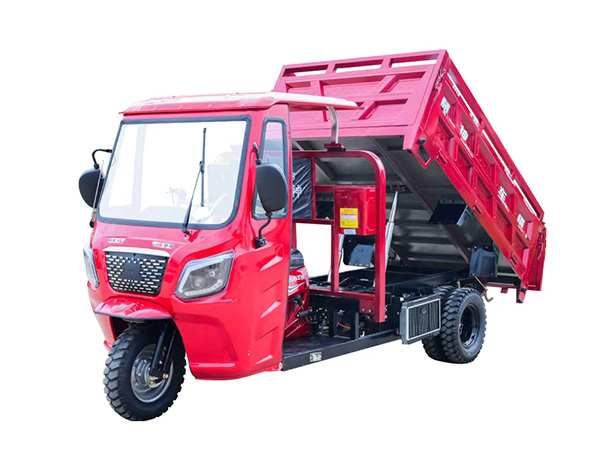
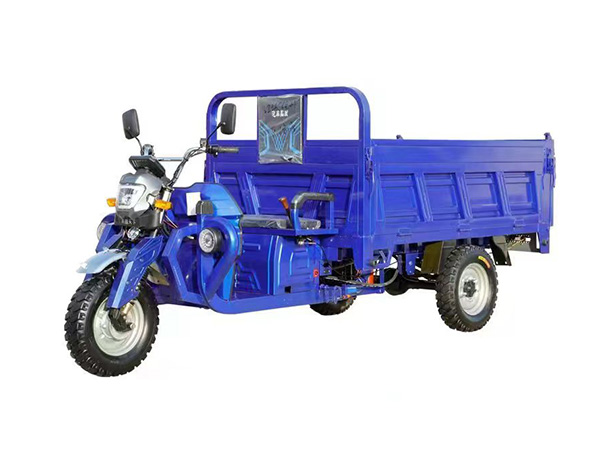
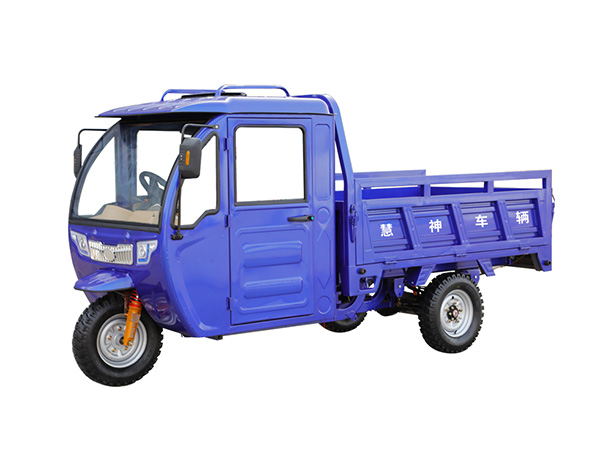
Eco-Friendly Electric Tricycles: Green Transport Benefits
Author:duomi Date:2026-09-01 18:08:24 Hits:139
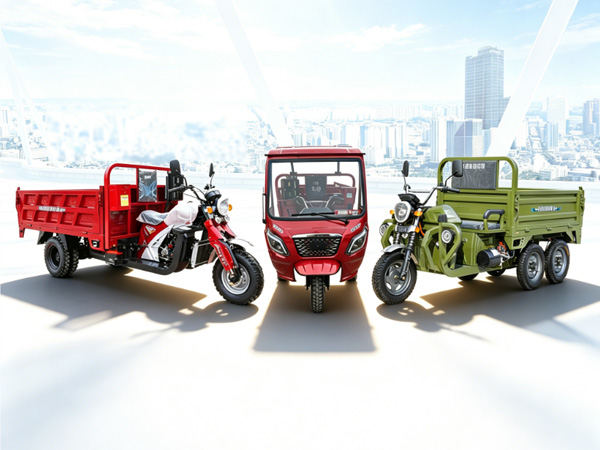
The conversation about urban freight and its environmental impact has shifted from aspirational to urgent. Cities across Asia, Europe, and the Americas are implementing low-emission zones that restrict high-pollution vehicles from city centers, and logistics contracts increasingly require suppliers to demonstrate credible carbon reduction commitments. Within this context, the eco-friendly electric tricycle has moved from an environmental alternative to a strategic business choice. Understanding the green transport benefits of electric tricycles means examining their actual environmental performance across carbon emissions, urban air quality, noise pollution, and the systemic effects of shifting urban logistics toward zero-emission vehicles.
Carbon Emissions: From Well to Wheel and Beyond
The carbon footprint of a vehicle encompasses both direct emissions from the tailpipe and the upstream emissions from fuel or electricity production. For an eco-friendly electric tricycle, direct tailpipe emissions are zero—the vehicle produces no CO₂, NOx, or particulate matter during operation. The upstream emissions depend on the electricity source: on a clean grid with high renewable penetration, the eco-friendly electric tricycle's total lifecycle emissions approach zero; on a grid dominated by coal power, a typical figure is 30–60 g CO₂ per kilometer. This compares to 120–180 g CO₂ per kilometer for a gasoline delivery van and 150–220 g per kilometer for a diesel van. Even on the most carbon-intensive grids, an electric tricycle emits 70–80% less CO₂ per kilometer than a comparable gasoline vehicle. On clean grids, the advantage is near-total. For logistics operators with carbon reduction targets, every kilometer an eco-friendly electric tricycle operates represents measurable progress toward those commitments—and the data is auditable, trackable, and reportable.
Urban Air Quality: Eliminating a Local Pollution Source
While carbon emissions affect global climate, the pollutants from conventional delivery vehicles affect local air quality where people live and work. A gasoline or diesel cargo tricycle or delivery van emits CO, NOx, and fine particulate matter (PM2.5) that are directly linked to respiratory disease, cardiovascular illness, and premature mortality in urban populations. The World Health Organization estimates that 4.2 million deaths annually are attributable to ambient air pollution, with road transport as a primary contributor in urban areas. An eco-friendly electric tricycle eliminates all direct tailpipe emissions—zero CO, zero NOx, zero PM2.5—improving the air quality of the streets and neighbourhoods where it operates. This is not an abstract benefit: delivery workers and residents in areas where electric tricycles replace fuel-powered vehicles experience measurably lower exposure to harmful pollutants. For cities implementing eco-friendly transport policies, deploying electric tricycles in last-mile logistics is one of the most direct and cost-effective interventions available.
Noise Pollution: Quieter Streets Through Electric Operation
Urban noise pollution from traffic is a significant public health concern, linked to sleep disturbance, cardiovascular stress, and cognitive impairment in children exposed to chronic noise. Delivery vehicles are a significant contributor to urban noise, particularly in dense residential areas during early morning and evening hours when deliveries are most concentrated. An eco-friendly electric tricycle operates at 45–60 dB—roughly the sound level of normal conversation—compared to 70–85 dB for a gasoline delivery van or cargo tricycle. This 20–25 dB reduction translates to an approximately 75% reduction in perceived noise intensity. The green transport benefits of quiet electric operation are particularly valuable in noise-sensitive zones: residential areas, hospital campuses, school zones, and historic city centers where noise ordinances restrict commercial vehicle operation. Several European cities have documented 30–50% reductions in noise complaints in areas where electric cargo tricycles have replaced conventional delivery vehicles.
Green Transport Credentials and Corporate Sustainability Reporting
For logistics operators and their commercial customers, eco-friendly electric tricycles provide tangible, quantifiable green credentials that support sustainability reporting and ESG disclosure. Corporate sustainability frameworks including the Carbon Disclosure Project, GRI Standards, and the Science Based Targets initiative require documented evidence of emission reductions—and the operational data from an electric tricycle fleet provides exactly that: kilometers operated, energy consumed, and estimated CO₂ equivalent displaced compared to conventional vehicles. This data flows directly into sustainability reports, customer carbon footprint disclosures, and contract-level green logistics commitments. For businesses tendering for contracts in sectors with strong sustainability requirements—food and beverage, retail, healthcare, government procurement—the ability to demonstrate a green transport fleet using eco-friendly electric tricycles is increasingly a competitive differentiator rather than merely a compliance measure.
Reducing Urban Congestion Through Compact Design
The eco-friendly electric tricycle's compact design contributes to green transport goals in ways beyond direct emissions reduction. A standard delivery van occupies 8–12 m² of road space when stationary and requires wide lanes and turning radii that consume disproportionate road capacity. An electric tricycle occupies 2–3 m² and navigates lanes, bicycle paths, and pedestrian-accessible streets that exclude larger vehicles. By shifting last-mile deliveries from vans to eco-friendly electric tricycles, cities can maintain the same delivery volume with substantially less road space consumption, reducing congestion and the secondary emissions and delays it creates. Every eco-friendly electric tricycle that replaces a van removes approximately 5–8 m² of parked vehicle footprint from city streets, contributing to more efficient urban space use.
Lifecycle Environmental Impact: Manufacturing and Disposal
A complete assessment of the eco-friendly electric tricycle's environmental benefit must account for the full lifecycle, including manufacturing and end-of-life disposal. The battery pack and electric motor require raw materials including lithium, cobalt, and rare earth elements, with associated environmental impacts from mining. However, lifecycle analysis consistently shows that even accounting for battery manufacturing, an electric tricycle achieves a lower total carbon footprint than a conventional vehicle within 10,000–20,000 km of operation—well within the first year of commercial use. At end of life, lithium batteries can be recycled, with material recovery rates of 60–80% for key materials including lithium, cobalt, and nickel. Responsible sourcing and end-of-life recycling protocols are important considerations when procuring eco-friendly electric tricycles, and buyers should request documentation from their supplier covering battery chemistry, expected lifespan, and recycling program availability.
Frequently Asked Questions
Are electric tricycles really zero-emission vehicles?
Electric tricycles produce zero direct tailpipe emissions. Their total lifecycle emissions depend on the electricity source used for charging. On grids with renewable energy, lifecycle emissions are near-zero. On coal-dominated grids, lifecycle emissions are 30–60 g CO₂ per kilometer—still 70–80% lower than gasoline vehicles. Across any grid, an electric tricycle is a substantially cleaner transport choice than a fuel-powered alternative.
What is the noise level of an electric tricycle compared to a gasoline vehicle?
An eco-friendly electric tricycle operates at 45–60 dB. A gasoline cargo tricycle or delivery van operates at 70–85 dB. This is approximately a 75% reduction in perceived noise intensity—a significant difference in urban environments where delivery vehicles operate near residences and businesses.
Do electric tricycles help reduce my business's carbon footprint?
Yes. Every kilometer an eco-friendly electric tricycle operates displaces approximately 100–150 g of CO₂ compared to a gasoline vehicle. For a fleet operating 30 km per day over 250 working days per year, each electric tricycle displaces 750–1,125 kg of CO₂ annually. These figures are auditable, reportable, and usable in corporate sustainability frameworks and customer ESG disclosures.
What happens to the battery when an electric tricycle reaches end of life?
Lithium batteries in eco-friendly electric tricycles retain approximately 70% capacity after 2,000–3,000 cycles and can be repurposed for stationary energy storage before recycling. Recycling programs recover 60–80% of key materials including lithium, cobalt, and nickel. Buyers should confirm that their supplier offers or can recommend an end-of-life battery recycling program.
Conclusion
The green transport benefits of eco-friendly electric tricycles are real, measurable, and increasingly strategic for businesses operating in urban logistics. Zero direct emissions, 70–80% lower lifecycle carbon footprint compared to gasoline vehicles, 75% noise reduction, and measurable improvements in urban air quality at the local level—these benefits align both with environmental responsibility and with the commercial pressures that are making green logistics a competitive requirement. For procurement teams and operations managers evaluating the environmental case for electric tricycles, the data is clear: the eco-friendly electric tricycle delivers genuine green transport outcomes that are auditable, reportable, and aligned with the direction of urban transport regulation and corporate sustainability expectations. Adoption is not just environmentally responsible—it is commercially prudent.
References
International Energy Agency, "Global EV Outlook 2024: Electric Two- and Three-Wheelers," IEA Publications, 2024.
World Health Organization, "Ambient Air Pollution: A Global Assessment of Exposure and Burden of Disease," WHO, 2016.
European Environment Agency, "Noise in Europe 2020," EEA Report No. 22/2020.
Hawkins, T.R. et al., "Comparative Environmental Life Cycle Assessment of Conventional and Electric Vehicles," Journal of Industrial Ecology, vol. 17, no. 1, 2013.

Contact Us
Tel:8615713172715 / 8619061777149
WeChat:8615713172715 / 8619061777149
E-mail:942778859@qq.com
Url:https://www.duomitricycle.com