







- Site Navigation -
Buying Cargo Tricycles in Bulk: What to Know
Author:duomi Date:2026-10-15 08:12:55 Hits:142
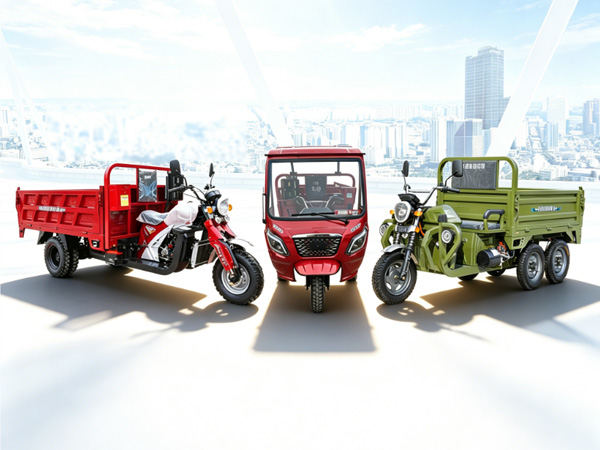
A single-unit purchase is a low-stakes transaction; a bulk order of hundreds of cargo tricycles is a supply-chain commitment with consequences that scale with quantity. Buying cargo tricycles in bulk reduces unit cost through volume pricing and consolidated logistics, but it also means that every defect, delay, or specification mismatch is replicated across the entire shipment. The discipline of bulk purchasing is therefore risk management applied to procurement: verify the supplier, control the specification, inspect before payment, and secure the post-sale commitments that keep the fleet running. This guide outlines the steps that separate a successful volume order from an expensive mistake.
Supplier Evaluation Before Price Negotiation
The first task in buying cargo tricycles in bulk is qualifying the supplier, because price is meaningless if the supplier cannot deliver conforming, supportable product. Evaluation should cover production capability (does the supplier actually manufacture or merely trade?), quality system (a documented quality management system such as ISO 9001 indicates process control), reference customers or export history, and after-sales capability (spare parts and technical support in the buyer's market). A factory audit—physical or via a third-party inspection agency—confirms manufacturing reality before commitment.
Documentation request is part of qualification: ask for the technical specification sheet, component ratings, test or certification records, and a sample bill of materials. Suppliers who cannot produce these are a poor risk for bulk orders regardless of price. The objective is to establish that the supplier's claimed capability matches operational reality before any volume is committed.
Minimum Order Quantity and Pricing Structure
Bulk pricing is typically tiered: unit price decreases as order quantity crosses thresholds, but the minimum order quantity (MOQ) may exceed what a buyer needs for a first order. The buyer should understand the full price ladder and the MOQ, and weigh the unit savings against the risk of holding or deploying surplus inventory.
A sound approach for a first bulk relationship is a moderate initial order that qualifies the supplier in practice—receiving, inspecting, and field-testing a smaller quantity before committing to the full volume. This limits exposure while establishing the working relationship and revealing any specification or quality gaps. The price per unit on a qualified reorder can then be negotiated from a position of confirmed performance rather than promised capability.
Customization Control and Specification Lock
Bulk orders frequently involve customization—branding, cargo box dimensions, powertrain choice, color, or component specifications. Customization introduces risk because a misunderstood requirement is reproduced across the whole order. The control is a locked, written specification agreed before production, including drawings or samples for any customized element, and a signed confirmation that the production units will match it.
For buying cargo tricycles in bulk, the specification should capture: powertrain type and ratings, payload and cargo box dimensions, brake and tire specifications, electrical or fuel system details, and any market-specific requirements such as lighting or emissions. A pre-production sample (golden sample) approved and retained by both parties becomes the reference against which mass-produced units are inspected. This sample-based control prevents the most common bulk-order failure: discovering a specification deviation only after the container arrives.
Pre-Shipment Inspection and Quality Acceptance
The single most protective step in bulk purchasing is independent inspection before the goods are paid for and shipped. A third-party inspection agency can perform a pre-shipment inspection (PSI) at the factory: verifying unit count, checking against the locked specification and golden sample, conducting functional tests (brakes, lights, drivetrain), and documenting defects with photographs. Payment terms should be structured so that a satisfactory inspection is a condition of final payment or release of the balance.
Inspection should use a defined Acceptable Quality Limit (AQL) sampling plan, a standard statistical method for deciding whether a batch meets quality criteria based on a sampled subset. Agreeing the AQL level and the inspection scope before production removes ambiguity about what "acceptable" means and gives both parties an objective basis for acceptance or rejection. For bulk buying cargo tricycles in bulk, this step converts quality risk from assumed to measured.
Shipping, Incoterms, and Logistics
Bulk orders move by sea freight in containers, and the allocation of cost and risk during transit is defined by Incoterms—standard international commercial terms published by the International Chamber of Commerce. Common terms include FOB (Free On Board, where the seller delivers goods on board the vessel at the named port, risk transferring to buyer at that point) and CIF (Cost, Insurance, and Freight, where the seller arranges and pays for freight and insurance to the destination port). The chosen term determines who bears cost and risk at each stage and should be specified explicitly in the contract.
Logistics planning also covers container loading (units per container, securement to prevent transit damage), transit time, destination port handling, and inland transport to the buyer's warehouse. Damage from inadequate securement during ocean transit is a recurring bulk-order loss that proper loading supervision prevents. The buyer should confirm loading method and, where feasible, request loading photographs or a loading supervision report.
Warranty, Spare Parts, and After-Sales Commitment
A bulk order creates a fleet that will need support, and the supplier's after-sales commitment determines whether that support exists. The purchase agreement should specify warranty scope and duration, the definition of covered defects, the process for claiming, and—critically—the spare-parts supply plan. A realistic spare-parts package (consumables and model-specific wear items) shipped with or shortly after the order prevents the downtime that follows a bulk deployment.
For electric variants, battery warranty and replacement availability are the dominant after-sales concern; the agreement should state battery warranty terms and the supplier's commitment to supply replacement packs on a defined lead time for the expected service life of the fleet. A supplier unwilling to commit spare parts and warranty in writing is a poor bulk partner regardless of unit price, because the lifetime cost of an unsupported fleet exceeds any upfront saving.
Compliance and Market-Specific Requirements
Cargo tricycles imported into a market may be subject to vehicle regulations, emissions standards, electrical safety requirements, or labeling rules depending on the destination. The buyer is typically responsible for confirming that the product meets the destination market's requirements, and the supplier should provide the documentation needed for import clearance and any certification. Buying cargo tricycles in bulk without confirming compliance can result in goods held at customs or refused entry, a far larger loss than any unit-price difference.
The buyer should identify the applicable requirements early—ideally before supplier selection—and include conformance as a contractual condition with the necessary certificates or test reports specified. This front-loading of compliance prevents the costly discovery of non-conformance after production and shipment.
Selection Factors for Bulk Buyers
When preparing a bulk order, prioritize in this order: qualified supplier with verified production and quality systems; locked written specification with approved golden sample; MOQ and tiered pricing understood, with a prudent first-order quantity; pre-shipment inspection under agreed AQL as a payment condition; clear Incoterms and loading supervision; written warranty and spare-parts commitment; and confirmed market compliance. Price negotiation sits atop this foundation, not beneath it—the lowest unit price from an unqualified supplier with weak inspection and no after-sales commitment is the most expensive option once risk is counted.
Frequently Asked Questions
What is the most important step to reduce risk when buying cargo tricycles in bulk?
Independent pre-shipment inspection against a locked specification and approved golden sample, made a condition of final payment. It converts quality from assumed to measured and prevents the most common bulk failure—discovering a specification or quality deviation only after the container arrives. Combine it with supplier qualification and a written, sample-confirmed specification to control risk before production begins.
How should I handle customization on a volume tricycle order?
Lock a written specification with drawings or samples for any customized element, approve a pre-production golden sample retained by both parties, and inspect mass-produced units against it. Customization errors are replicated across the entire order, so the golden sample is the reference that prevents whole-batch deviation. Avoid verbal or assumed requirements; document every variant explicitly.
What shipping terms should I specify for a bulk tricycle import?
Use standard Incoterms to allocate cost and risk explicitly—FOB (seller delivers on board vessel at named port, risk transfers to buyer there) or CIF (seller pays freight and insurance to destination port) are common. Specify container loading method and request loading supervision or photographs to prevent transit damage. Confirm transit time, port handling, and inland transport to your warehouse as part of logistics planning.
Why does spare-parts commitment matter as much as price in bulk orders?
A bulk order creates a fleet that needs support; without committed spare parts and warranty, downtime accumulates across every unit. For electric variants, battery replacement availability on a defined lead time is the dominant after-sales risk. A supplier unwilling to commit spare parts and warranty in writing can cost more over the fleet's life than any upfront unit-price saving, because unsupported vehicles idle.
Conclusion
Buying cargo tricycles in bulk is a risk-management exercise more than a price-negotiation exercise. The variables that determine success are sequential and non-negotiable: qualify the supplier's production and quality capability before commitment; lock a written specification with an approved golden sample; understand MOQ and tiered pricing and place a prudent first order to qualify the relationship; inspect pre-shipment under an agreed AQL as a payment condition; specify Incoterms and loading supervision to control transit risk; secure written warranty and spare-parts commitments, especially battery supply for electric fleets; and confirm market compliance before production. Price sits atop this foundation—the lowest unit cost from an unqualified, uninspected, unsupported supplier is the costliest outcome once defects, delays, and downtime are counted across the whole order. Bulk buyers who manage these variables protect the volume savings they negotiated and avoid the multiplied losses that careless volume purchasing produces.
References
Monczka, R., Handfield, R., Giunipero, L., and Patterson, J., "Purchasing and Supply Chain Management," Cengage, 6th Edition, 2015.
International Organization for Standardization, "ISO 9001: Quality Management Systems — Requirements," ISO, 2015.
International Chamber of Commerce, "Incoterms 2020: ICC Rules for the Use of Domestic and International Trade Terms," ICC, 2019.
International Organization for Standardization, "ISO 2859-1: Sampling Procedures for Inspection by Attributes," ISO, 1999.
Rushton, A., Croucher, P., and Baker, P., "The Handbook of Logistics and Distribution Management," Kogan Page, 5th Edition, 2014.

Contact Us
Tel:8615713172715 / 8619061777149
WeChat:8615713172715 / 8619061777149
E-mail:942778859@qq.com
Url:https://www.duomitricycle.com